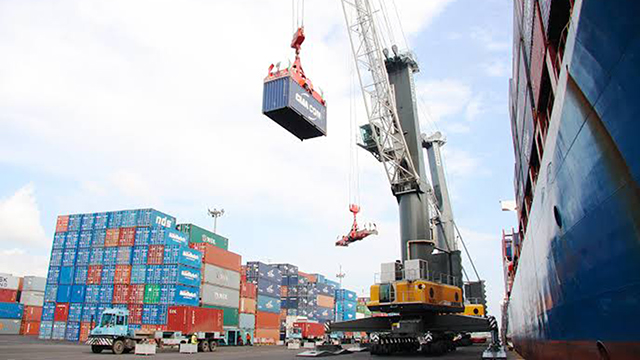

Eight ships have arrived at the Lekki, Tin-Can Island and Apapa ports in Lagos, awaiting discharge of petroleum products and other cargoes, according to the Nigerian Ports Authority (NPA). The authority disclosed this in its “Shipping Position” publication, noting that the vessels are laden with petrol, diesel, fertiliser, gasoline and bulk stock, reflecting the diverse range of imports sustaining Nigeria’s commercial hub.
The NPA also stated that 44 ships carrying petroleum products, food items and other goods are expected at the three ports between April 10 and April 15. Expected cargoes include buckwheat, containers, fresh fish, crude oil, bulk wheat, petrol, bulk salt, base oil, bulk gypsum, bulk urea, aviation fuel and general cargo. Additionally, 25 other ships are currently discharging cargoes at the ports, handling containers, petrol, soya beans, crude oil, diplomatic cargo, bulk wheat, bulk sugar, fresh fish, diesel, aviation fuel and bulk urea.
From an economic perspective, the volume of shipping activity at Lagos ports serves as a real-time indicator of trade flows and domestic demand. Petroleum products, including petrol, diesel, and aviation fuel, dominate the cargo mix, reflecting Nigeria’s continued reliance on imported refined fuels despite the Dangote Refinery’s recent entry into production. The presence of bulk wheat and sugar shipments highlights the country’s dependence on imported food commodities, a structural vulnerability that the government has sought to address through agricultural transformation policies.
The arrival of fertiliser and urea cargoes is significant for the agricultural sector. Nigeria has made strides in domestic fertiliser production through the Dangote Fertiliser complex and other local manufacturers, but import volumes suggest that domestic production has not fully closed the gap. Bulk urea, a key nitrogen-based fertiliser, is essential for crop yield improvement, and its availability and pricing directly affect farming input costs and ultimately food prices.
The inclusion of fresh fish among expected cargoes underscores the gap between domestic fish production and consumption. Despite Nigeria’s extensive coastline and inland water resources, the country remains a significant importer of fish, with frozen fish from Europe and Asia filling the gap left by inadequate local production. Reducing fish imports has been a policy objective, but achieving self-sufficiency requires investment in aquaculture, cold chain infrastructure, and artisanal fishing support.
The shipping position also provides insights into port efficiency and congestion. The fact that 25 ships are actively discharging while eight await discharge and 44 are expected suggests a busy but potentially congested port environment. Port delays impose costs on importers, including demurrage charges and extended inventory holding periods, which ultimately translate into higher consumer prices. The NPA’s ability to manage vessel traffic and reduce turnaround times is therefore directly relevant to inflation and the cost of living.
The distribution of cargoes across Apapa, Tin-Can Island, and Lekki ports reflects the evolving geography of Nigeria’s port infrastructure. Lekki Port, Nigeria’s first deep seaport, has progressively taken on more traffic since its commissioning, offering deeper drafts and more efficient handling than the older Apapa and Tin-Can facilities. The presence of eight ships at Lekki awaiting discharge suggests that the port is operating at significant capacity, though its full potential will only be realised as connecting road infrastructure and hinterland logistics are improved.
For businesses reliant on imported inputs, the shipping position provides useful visibility into supply chain conditions. The diversity of cargoes—from industrial inputs like base oil and gypsum to consumer goods like containers and general cargo—means that disruptions at the ports have economy-wide effects. As the NPA continues its modernisation efforts, including the implementation of the Port Community System and increased private sector participation in terminal operations, the efficiency of cargo clearance and vessel turnaround will remain key metrics of progress.