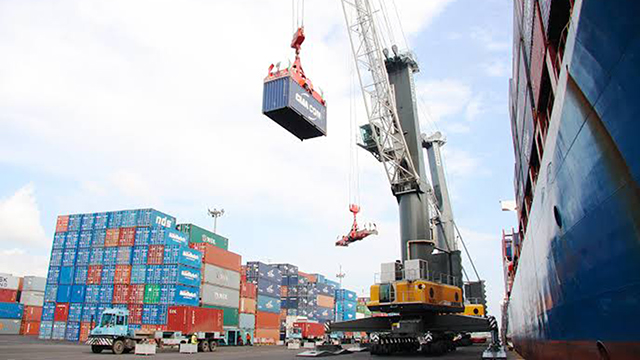

The prolonged delay in renewing expired concession agreements for Nigeria’s port terminals is raising concerns among investors and industry stakeholders about revenue certainty, operational continuity, and the attractiveness of the country’s maritime sector to long-term capital. Several terminal operator concessions at the Apapa and Tin-Can Island ports have expired or are nearing expiration, but the Nigerian Ports Authority has yet to finalise renewal terms, leaving operators in a state of regulatory limbo that complicates investment planning and equipment procurement.
Industry sources indicate that the delays stem from disagreements over tariff structures, capital expenditure commitments, and the duration of proposed renewal terms. Terminal operators are seeking longer renewal periods to justify substantial investments in modern equipment, infrastructure upgrades, and digital systems, while the NPA is reportedly pushing for shorter terms that would allow for more frequent rate adjustments and greater regulatory oversight. The impasse reflects a broader tension between the need for private sector investment and the government’s desire to maintain control over strategic national assets.
The financial stakes are significant. Port concessions generate substantial revenue for the federal government through lease fees, royalties, and other charges. Extended delays in renewals could disrupt these revenue streams, affecting the NPA’s ability to fund maintenance and expansion projects. More critically, uncertainty around renewal terms may deter new investment in terminal infrastructure, risking a decline in operational efficiency at a time when Nigerian ports are competing with regional hubs in Côte d’Ivoire, Ghana, and Togo for transit cargo.
For the broader economy, port efficiency is directly linked to trade competitiveness. Delays in cargo clearance, often exacerbated by equipment shortages and infrastructure deficits, increase the cost of imported goods and reduce the competitiveness of Nigerian exports. Terminal operators who are uncertain about their long-term tenure are less likely to make the capital-intensive investments needed to improve handling speeds and reduce dwell times. This dynamic could undermine the government’s efforts to diversify the economy and boost non-oil exports.
The NPA has not provided a clear timeline for concluding the renewal negotiations, and industry observers warn that further delays could lead to legal disputes or, in a worst-case scenario, operational disruptions if concessions are allowed to lapse without interim arrangements. Stakeholders are calling for a transparent and expedited process that balances the interests of the government, terminal operators, and port users while providing the regulatory certainty necessary to attract and retain private investment in Nigeria’s maritime infrastructure.