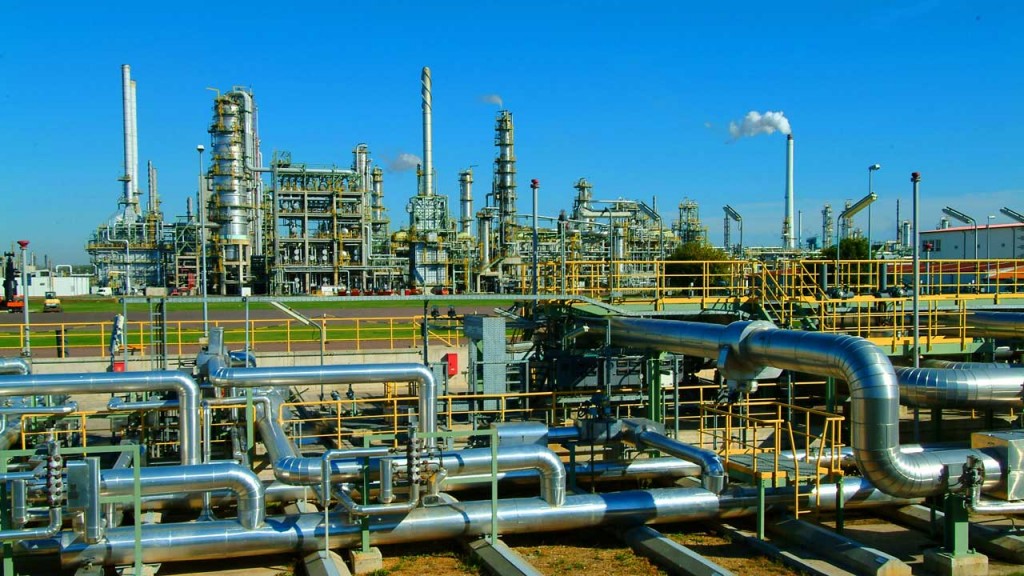

Dangote Petroleum Refinery has reduced the ex-depot price of aviation fuel, also known as Jet A1, from N1,750 to N1,650 per litre, marking another aggressive pricing move by the refinery as it expands its influence across Nigeria’s downstream petroleum market.
The N100 per litre reduction is expected to ease cost pressures on domestic airlines, many of which have struggled with elevated operating expenses driven by volatile foreign exchange rates, high maintenance costs, and persistent increases in aviation fuel prices.
Jet A1 fuel accounts for a substantial portion of airline operating costs, often representing between 30 and 40 per cent of total expenditure for carriers. The latest price cut could therefore provide temporary relief for operators already grappling with weak consumer spending and rising ticket pricing concerns.
Industry analysts said the development may help stabilise airfare increases on some domestic routes if airlines pass part of the savings to passengers. However, they cautioned that broader challenges facing Nigeria’s aviation industry — including foreign exchange scarcity, airport infrastructure deficits, and aircraft leasing costs — remain unresolved.
The reduction also reinforces Dangote Refinery’s growing role in reshaping fuel pricing dynamics in Africa’s largest economy. Since commencing petroleum product supply, the refinery has repeatedly adjusted prices across diesel, petrol, and aviation fuel segments in response to market conditions and competition.
Market participants said the latest adjustment could intensify competitive pressure on fuel importers and independent marketers, many of whom continue to rely on imported refined petroleum products despite Nigeria’s status as a major crude oil producer.
The refinery, which has a processing capacity of 650,000 barrels per day, is expected to significantly reduce Nigeria’s dependence on imported refined products over the medium term. Economists argue that improved domestic refining capacity could help conserve foreign exchange reserves, lower logistics costs, and improve energy security.
For the aviation sector, lower fuel prices may support operational sustainability at a time when passenger traffic recovery remains uneven. Several Nigerian carriers have in recent years warned that rising aviation fuel costs were eroding profitability and threatening route viability.
The latest pricing move may also strengthen Dangote Refinery’s market share in aviation fuel supply as airlines and fuel distributors seek more competitive domestic sourcing options.
Despite the reduction, aviation fuel prices remain significantly above historical averages, reflecting broader inflationary pressures and continued volatility in global energy markets.