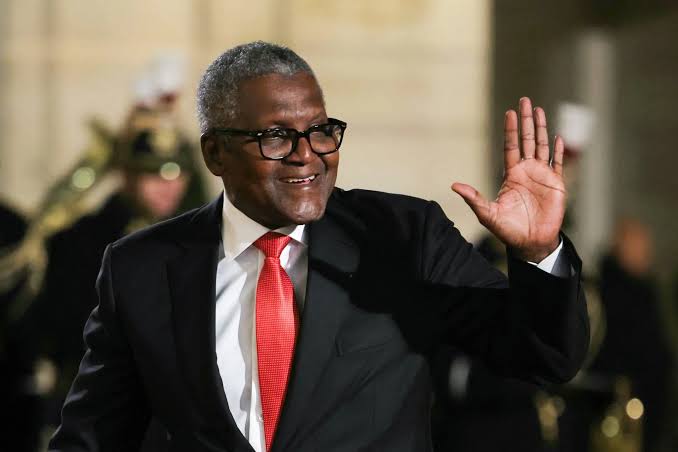

Nigerian industrial conglomerate Dangote Group has unveiled plans to develop a massive 20,000-megawatt (MW) power project, marking one of the most ambitious private-sector energy investments in Africa’s largest economy.
The initiative, championed by billionaire industrialist Aliko Dangote, is expected to significantly strengthen Nigeria’s fragile electricity infrastructure while supporting the conglomerate’s expanding industrial operations across cement, petrochemicals, fertiliser, and refining.
Nigeria currently generates an estimated 4,000MW to 5,000MW of grid electricity for a population exceeding 200 million people, far below demand levels required to sustain economic growth and industrial productivity. Analysts say a 20,000MW project, if executed successfully, could dramatically alter the country’s energy landscape and reduce dependence on costly diesel and gas-powered generators used by businesses nationwide.
Industry observers view the proposed investment as a strategic extension of Dangote Group’s vertically integrated business model. The company already operates captive power systems across several of its manufacturing facilities to mitigate chronic power disruptions that have long constrained industrial output in Nigeria.
The announcement comes at a critical moment for Nigeria’s economy, where energy shortages remain one of the biggest barriers to manufacturing competitiveness, foreign investment inflows, and job creation. According to the World Bank, inadequate electricity supply costs the Nigerian economy billions of dollars annually through lost productivity and increased operating expenses.
Market analysts believe the scale of the proposed power project signals growing confidence among large private investors in Nigeria’s long-term industrial potential despite macroeconomic pressures, including high inflation, currency volatility, and elevated borrowing costs.
The project could also complement ongoing reforms in Nigeria’s power sector aimed at decentralising electricity generation and encouraging private capital participation. Recent policy changes have allowed state governments and private firms greater flexibility to generate and distribute electricity independently of the national grid.
Energy experts caution, however, that execution risks remain substantial. Large-scale power infrastructure projects in Nigeria often face regulatory bottlenecks, financing constraints, gas supply challenges, and transmission limitations. The success of Dangote’s proposal will likely depend on coordinated support from regulators, infrastructure partners, and long-term financing institutions.
Still, the announcement reinforces Dangote Group’s growing influence in strategic sectors of the Nigerian economy. Following the launch of the massive Dangote Petroleum Refinery, the group appears poised to deepen its role not only in manufacturing and energy processing, but also in power generation and national infrastructure development.
For investors and policymakers, the proposed 20,000MW project represents more than a corporate expansion. It reflects the increasing role of private capital in addressing Nigeria’s structural infrastructure deficits and accelerating industrialisation in Africa’s most populous nation.