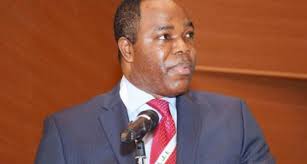

The Federal Capital Territory High Court in Abuja has remanded former Skye Bank Chairman Tunde Ayeni in the Kuje Correctional facility pending the determination of his bail application, following his arraignment on 17 fraud charges involving approximately N8 billion. Judge Jude Onwuegbuzie gave the order after Mr Ayeni pleaded not guilty to all counts.
The prosecution counsel, Ekele Iheanacho, a Senior Advocate of Nigeria, asked the court for a trial date and urged the court to remand the defendant in custody pending trial. The defence lawyer, Ahmed Raji, informed the court that a bail application had been filed on behalf of Mr Ayeni, requesting a short adjournment for its hearing. Mr Raji appealed to the court to release the defendant to him, arguing that Mr Ayeni was a lawyer of over 35 years’ experience.
The judge adjourned the case until 13 May for the hearing of the bail application but declined the request to release the defendant to the defence lawyers on trust, opting instead to remand him in Kuje.
The Economic and Financial Crimes Commission charged Mr Ayeni with 17 counts of criminal breach of trust. The EFCC alleged that he used his position as chairman to authorise transfers from the bank’s suspense account into accounts linked to multiple companies between 2014 and 2016, in violation of prudential guidelines. Suspicious transactions cited by the prosecution include N554 million transferred to Capital Assets Limited, N850 million to Capital Field Investment and Trust Limited, N3.2 billion to Misa Limited in multiple tranches, N600 million to Harigold Ventures Limited, and N5.07 billion to Union Registrar Limited. The EFCC also accused Mr Ayeni of authorising payments to other firms, including N1 billion to Beks Kimse Limited.
From an institutional integrity perspective, the case underscores the regulatory and legal vulnerabilities that have historically plagued parts of Nigeria’s banking sector. Proper oversight and consequences for high-level infractions are essential to maintaining depositor confidence, attracting investment, and ensuring the stability of the financial system.