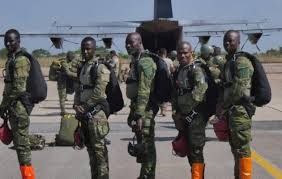

Côte d’Ivoire and France have stepped up military cooperation with the ongoing TOURACO 2026 exercise, a joint operation aimed at strengthening operational readiness and regional security amid rising terrorist threats in West Africa. The drills, held at the Abidjan Air Base and Bouaké Air Base, involve nearly 200 personnel from both countries and feature coordinated air and ground manoeuvres designed to test the ability of the Ivorian armed forces to execute complex air‑land operations.
Launched earlier in April, the exercise focuses on enhancing interoperability between Ivorian and French forces, enabling them to respond more effectively to regional security crises. Officials say the initiative comes as terrorist groups have expanded their reach into coastal West Africa, with attacks reported in Benin, Togo, and Côte d’Ivoire’s northern border regions. The Sahelian insurgency, once concentrated in Mali and Burkina Faso, is pushing southward, making cross‑border cooperation a strategic imperative.
Beyond tactical training, TOURACO 2026 highlights a deepening partnership built on shared security goals, experience exchange, and a commitment to maintaining regional stability. For Côte d’Ivoire, which has experienced relative political stability since the post‑election crisis of 2010‑2011, the exercise serves as both a deterrent and a capability‑building measure. For France, which has been forced to withdraw its forces from Mali, Burkina Faso, and Niger following deteriorating relations with military juntas, Côte d’Ivoire represents a reliable partner for maintaining a presence in the region.
From an economic perspective, security is a critical enabler of investment and growth. Côte d’Ivoire, one of West Africa’s fastest‑growing economies, relies on stability to attract foreign direct investment in agriculture, energy, and infrastructure. The government’s willingness to invest in military cooperation, including joint exercises, signals to investors that security risks are being actively managed. However, the underlying challenges—poverty, youth unemployment, and porous borders—require long‑term development strategies that complement military responses.