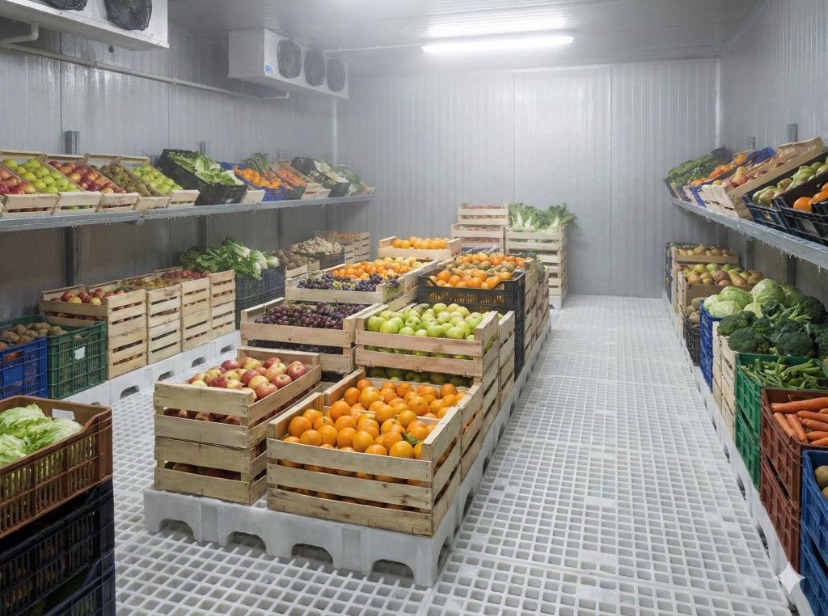

Nigeria’s growing food waste problem is creating a new business opportunity for entrepreneurs willing to invest in cold storage, refrigerated transport and temperature-controlled warehouses.
Large quantities of fruits, vegetables, meat, fish and other perishable products often spoil before reaching consumers. Poor storage facilities, unreliable electricity, long transportation times and weak distribution systems are among the major reasons businesses and farmers lose money.
For many operators in the food supply chain, the challenge begins immediately after harvest or production. Farmers may have fresh produce ready for the market, but without proper storage, they are often forced to sell quickly, sometimes at very low prices. When demand is weak or transportation is delayed, some of the products eventually become waste.
Cold-storage businesses are emerging as part of the solution.
Cold rooms allow perishable products to remain fresh for longer periods, giving farmers, wholesalers, retailers, restaurants and food processors more time to sell their goods. Entrepreneurs can operate small cold rooms for local traders or develop larger facilities that serve supermarkets, food manufacturers and distributors.
Another area with strong potential is refrigerated transportation. Specially equipped trucks and vans can move meat, seafood, dairy products, fruits and vegetables while maintaining the required temperature. This can reduce spoilage during transportation and help businesses deliver better-quality products to customers.
The opportunity also extends beyond simply owning a cold room. Businesses can provide cold-storage services on a pay-as-you-use basis, allowing traders and small farmers to rent space instead of investing heavily in their own facilities.
Technology is also becoming increasingly important. Solar-powered refrigeration systems, energy-efficient cooling equipment and remote temperature monitoring can help operators manage costs and protect products, particularly in areas where electricity supply remains unreliable.
However, entering the cold-storage business is not without challenges. Equipment can be expensive, electricity costs remain a major concern and proper maintenance is essential. Businesses also need reliable access to customers who require regular storage services.
Despite these difficulties, the market has significant room for growth because Nigeria’s expanding population continues to increase demand for fresh food. As supermarkets, restaurants, food processors and online grocery businesses expand, the need for dependable storage and delivery systems is likely to grow.
For entrepreneurs, the opportunity lies in building affordable and reliable services around the food supply chain. A well-positioned cold-storage business can generate income while helping farmers and traders preserve the value of their products.
Nigeria’s food waste problem is therefore more than an agricultural challenge. It is also a business opportunity. With the right investment in cold rooms, refrigerated transport and efficient storage networks, businesses can reduce losses while helping more food reach consumers in good condition.