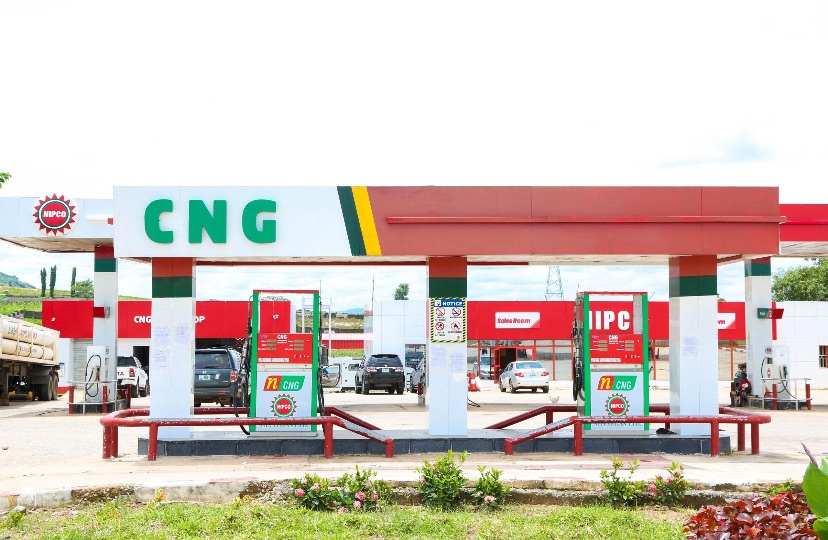

CNG Takes the Wheel as Nigerian Motorists Cut Their Petrol Bills
Nigeria’s roads are slowly seeing a new fuel battle, and this time petrol is facing competition from compressed natural gas (CNG).
As petrol prices remain high, more motorists and commercial transport operators are converting their vehicles to run on CNG because it can significantly reduce daily fuel expenses. The shift is also creating new businesses around vehicle conversion, gas refuelling stations, equipment supply and technical services.
Data from the Federal Government’s Presidential Initiative on CNG and Electric Vehicles (Pi-CNG & EV) shows that more than 120,000 vehicles have been converted to CNG, while the country now has more than 400 certified conversion centres and 90 CNG refuelling stations. The programme also says more than 7,700 technicians have been trained to support the growing industry.
For motorists, the biggest attraction is cost.
Pi-CNG estimates that CNG can be 40–60 per cent cheaper per kilometre than petrol, depending on the vehicle and driving conditions. The initiative also estimates average savings of about ₦40,000 a month for commercial drivers who switch to gas.
That difference matters in a country where fuel is one of the largest operating expenses for drivers.
A commercial driver covering long distances every day can spend a significant portion of daily income on petrol. With CNG, the same driver can potentially reduce the amount spent on fuel and retain more money as income.
The impact is already spreading beyond individual motorists. The growing demand for CNG is creating opportunities for businesses involved in conversion kits, gas distribution, refuelling infrastructure, vehicle maintenance and technician training.
Pi-CNG says the wider CNG value chain has generated more than 10,000 direct and indirect jobs, showing that the transition is becoming more than simply a change in what motorists put into their tanks.
However, the CNG boom is not without problems.
The number of refuelling stations is still small compared with Nigeria’s huge petrol station network. Motorists in some locations have reported long queues and the need to travel significant distances to find CNG.
Recent reports have also highlighted a major contradiction: although some operators are saving money on fuel, those savings have not consistently translated into cheaper transport fares for passengers. Higher vehicle maintenance costs, conversion expenses, limited stations and lost time waiting for gas can reduce the advantage.
This means CNG is changing the economics of driving, but it has not yet solved Nigeria’s transportation-cost problem.
The Federal Government is betting that expanding infrastructure will make the difference. Pi-CNG currently lists more than 90 operational CNG stations and says its network of conversion centres is expanding across the country.
If more stations become available and conversion becomes easier and cheaper, CNG could move from being an alternative fuel used by a growing number of motorists to a major part of Nigeria’s transportation system.
For now, the message from the road is clear: petrol still dominates, but CNG is becoming a serious competitor—and motorists are following the cheaper option.