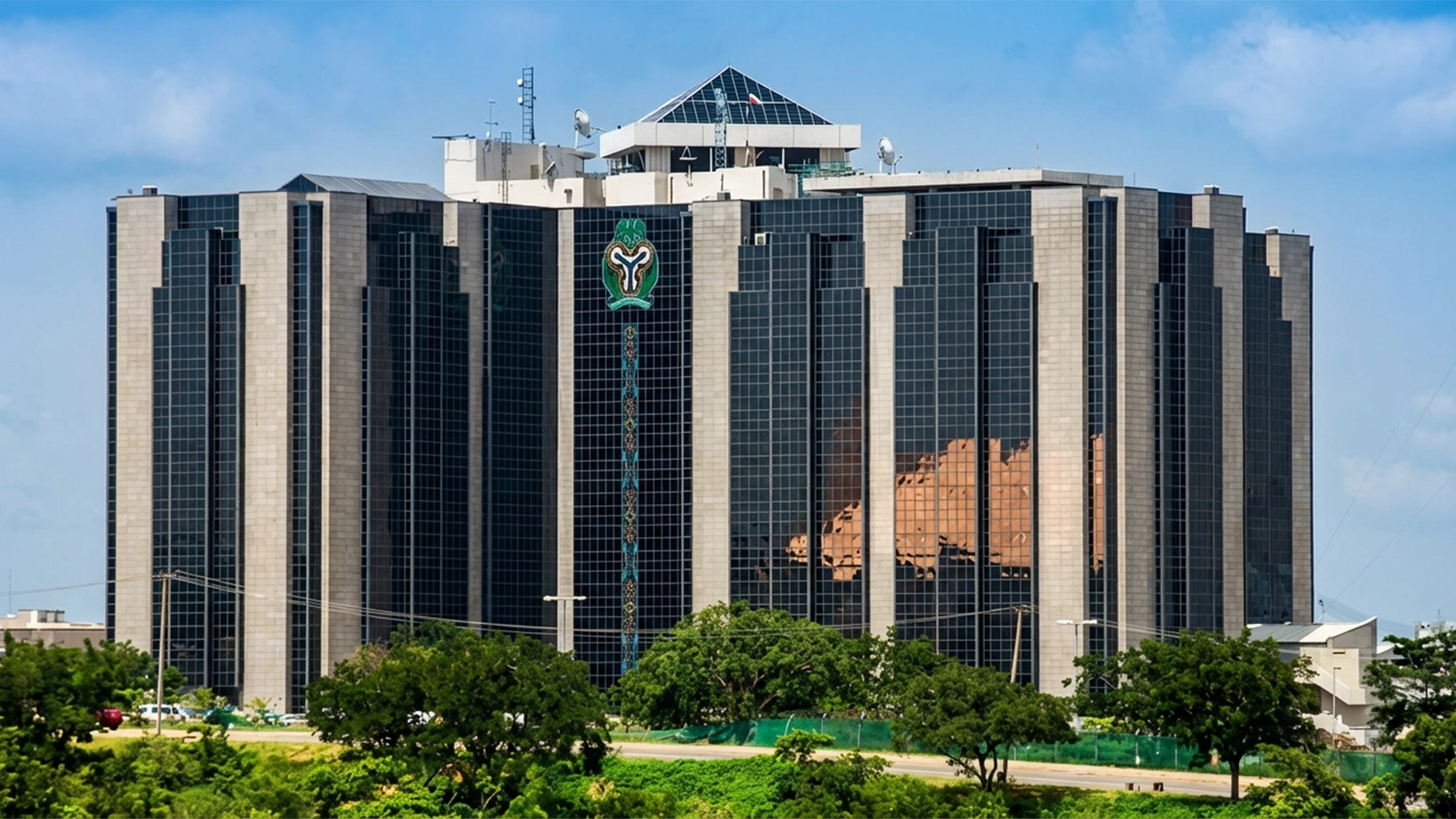

The Central Bank of Nigeria (CBN) has revoked the operating licences of 46 microfinance banks nationwide, effective July 1, 2026, in one of its most significant regulatory enforcement actions aimed at strengthening financial sector stability and protecting depositors.
The decision, approved by CBN Governor Mr. Olayemi Cardoso, was taken under Sections 12 and 13 of the Banks and Other Financial Institutions Act (BOFIA), 2020, which empowers the apex bank to withdraw banking licences where institutions fail to comply with statutory and prudential requirements.
In a statement issued by the Acting Director of Corporate Communications, Mrs. Hakama Sidi-Ali, the CBN said the affected institutions were found to have committed serious regulatory violations that rendered them unfit to continue operations.
According to the regulator, the breaches included insufficient assets to meet financial obligations, unauthorised closure of business operations, prolonged inactivity, failure to commence operations within 12 months of receiving approval, and failure to maintain the minimum capital thresholds prescribed for licensed microfinance institutions.
“The revocation of the licences is part of the Bank’s ongoing efforts to safeguard the stability of the financial sector, protect depositors, and ensure that licensed institutions comply with current laws and regulatory requirements,” the CBN said.
The affected lenders are spread across 16 states and the Federal Capital Territory, covering Tier 1, Tier 2 and State Microfinance Banks. Kano State recorded the highest number of licence withdrawals with 15 institutions affected, followed by Lagos State with eight, highlighting pockets of persistent compliance challenges within the sector.
Among the institutions whose licences were withdrawn are Minji-Se Churchill MFB in Rivers State, Merchant MFB in Abia, Gold MFB and Safegate MFB in Lagos, Zain MFB and NOW NOW Digital MFB in Kano, Crystal Microfinance Bank in Bayelsa, Winview MFB in the Federal Capital Territory, Creekline MFB in Delta, Bestar MFB in Oyo, Frontline MFB in Anambra, and Avantus MFB in Osun.
The latest enforcement action underscores the CBN’s continued drive to improve corporate governance, strengthen regulatory compliance and eliminate weak institutions that could pose risks to the broader financial system. Microfinance banks play a critical role in expanding access to credit and financial services for small businesses, low-income households and underserved communities, making effective supervision essential to maintaining confidence in the sector.
Market analysts say the move signals that the regulator is adopting a stricter supervisory stance as it seeks to enhance the resilience of Nigeria’s banking industry. While the licence withdrawals may temporarily reduce the number of licensed operators, stronger regulatory oversight is expected to encourage better capitalisation, improved governance standards and greater investor and depositor confidence over the long term.
The CBN reaffirmed its commitment to preserving a safe, sound and resilient financial system, stressing that it will continue to deploy appropriate supervisory and enforcement measures against institutions that fail to meet regulatory standards.