
Nigeria’s economy is beginning to show encouraging signs of stability as recent reforms introduced by the Central Bank of Nigeria (CBN) continue to deliver positive results. The apex bank says improvements in the foreign exchange market, a steady decline in inflation, and stronger foreign reserves are evidence that its monetary policies are helping to strengthen the economy.
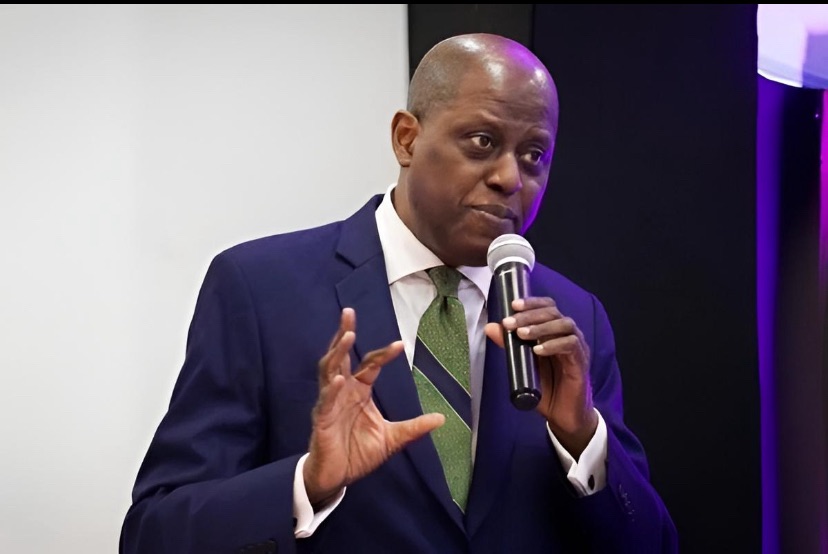
Speaking at the CBN Fair held at the International Conference Centre in Gombe, the Governor of the CBN, Olayemi Cardoso, represented by the Acting Director of Corporate Communications and Investor Relations, Hakama Sidi-Ali, said the bank remains committed to building a more stable and resilient financial system.
The event, themed “Driving Alternative Payment Channels as Tools for Financial Inclusion, Growth and Accelerated Economic Development,” was organised to educate Nigerians on the bank’s policies while encouraging greater use of digital payment solutions.
According to the CBN, Nigeria’s headline inflation dropped slightly from 15.93 per cent in May 2026 to 15.91 per cent in June 2026. Core inflation and food inflation also recorded modest declines during the same period.
The bank explained that these improvements were made possible through tighter monetary policies, a more transparent foreign exchange market, and the unification of exchange rates.
Cardoso also revealed that Nigeria’s foreign reserves had climbed above $52.5 billion as of July 17, 2026, describing it as the highest reserve level recorded in 17 years. He noted that the increase reflects stronger investor confidence and sustained foreign exchange inflows into the country.
Another positive development, according to the CBN, is the growing stability of the naira. The difference between the official exchange rate and Bureau de Change rates has narrowed to less than two per cent, suggesting that the foreign exchange market is becoming more efficient and transparent.
Over the past 34 months, the apex bank has introduced several reforms aimed at creating a healthier financial system and supporting long-term economic growth. These reforms include the unification of the foreign exchange market, recapitalisation of banks, the launch of the non-resident Bank Verification Number (BVN), the B-Match foreign exchange trading platform, and the Nigeria Payments System Vision 2028.
The CBN also highlighted the introduction of a 75 per cent Cash Reserve Ratio on non-Treasury Single Account public sector deposits to improve liquidity management and reduce inflationary pressure.
In addition, the bank partnered with the Financial Markets Dealers Association to introduce the Nigerian Overnight Financing Rate, a benchmark designed to improve transparency in short-term lending and align Nigeria’s financial market with global standards.
Cardoso said expanding digital payment channels remains a key priority for the CBN because it will help more Nigerians gain access to financial services while supporting businesses and economic growth.
He explained that the CBN Fair provides an opportunity for the bank to engage directly with citizens, answer questions about its policies, and receive feedback that can improve future programmes.
Participants at the event received presentations on topics including consumer protection, digital payment innovations, microfinance services, monetary policy, and the proper handling of the naira.
The CBN also used the occasion to remind Nigerians that abusing the national currency is against the law. Sidi-Ali warned against spraying, mutilating, hawking, or counterfeiting the naira, describing the currency as an important national symbol that deserves respect.
She further advised Nigerians to rely only on verified CBN communication channels for accurate information about the bank’s policies and programmes.
Earlier, the Branch Controller of the CBN in Gombe, Yunusa Buba-Mubi, said the fair forms part of the bank’s nationwide public engagement programme, designed to educate citizens, encourage dialogue, and strengthen public confidence in Nigeria’s banking and financial system.