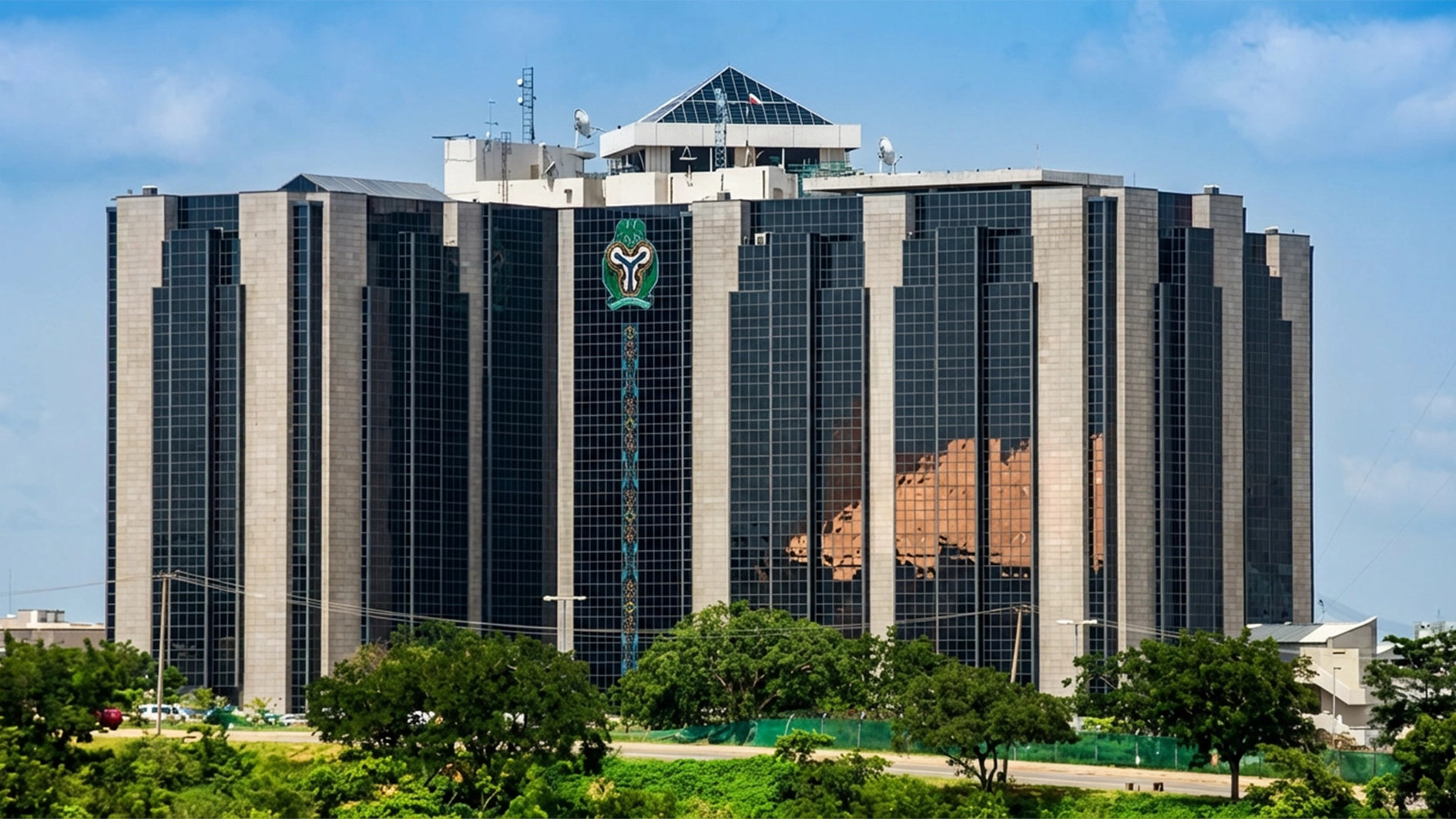

The Central Bank of Nigeria (CBN) has held its benchmark interest rate steady at 23%, opting for a cautious monetary policy stance despite inflation falling to a six-year low, as festive-season demand and early election-related spending threaten to reignite price pressures.
CBN Governor Olayemi Cardoso announced the decision on Tuesday, November 24, 2026, at the conclusion of the Monetary Policy Committee’s (MPC) 308th meeting in Abuja. The hold marks the committee’s first policy review since September, when it cut the Monetary Policy Rate (MPR) by 350 basis points from 26.5% to 23%, a move Cardoso described at the time as a reset and recalibration rather than the start of an aggressive easing cycle.
Alongside the benchmark rate, the MPC left all supporting liquidity instruments untouched. The Cash Reserve Ratio (CRR) stays at 45% for deposit money banks, 16% for merchant banks, and 75% for non-Treasury Single Account public sector deposits. The liquidity ratio remains fixed at 30%, while the asymmetric standing facilities corridor was kept intact at +50 and -300 basis points around the MPR.
According to the CBN, headline inflation has moderated for five consecutive months, supported by relative exchange rate stability and improved monetary policy transmission. Data from the National Bureau of Statistics (NBS) show headline inflation slowed to 14.06% in October 2026 from 14.63% in September, its lowest level in six years. Over the same period, food inflation eased to 19.13% from 19.59%, while core inflation, which strips out volatile agricultural produce and energy costs, dropped to 10.78% from 12.95%.
Despite those gains, Cardoso stressed that the apex bank remains committed to pushing inflation down to single digits and warned that prevailing economic headwinds have slowed the pace of disinflation. Specifically, the committee flagged anticipated spending surges during the end-of-year festivities and ahead of the 2027 general elections as key domestic risks to aggregate demand. Externally, the MPC pointed to the ongoing conflict in the Middle East, warning that disruptions to global energy supplies could drive up international oil prices and spill over into domestic costs.
For Nigerian businesses, particularly manufacturers and small enterprises reliant on commercial bank credit, the pause prolongs an environment of elevated borrowing costs, as commercial lending rates have yet to fully reflect September’s 350-basis-point rate cut.
Even so, the committee expressed confidence that seasonal harvest supplies and robust external buffers will help anchor stability. Nigeria’s gross external reserves stood at $54.02 billion as of November 17, providing roughly 10.3 months of import cover, and Cardoso noted that recent minor fluctuations in the reserves position are transient. To further bolster foreign exchange liquidity and reserve accumulation, the MPC welcomed a newly signed memorandum of understanding between the CBN and the Nigerian National Petroleum Company Limited aimed at improving FX inflow transparency and supporting energy project financing.
By pausing at 23%, the central bank has chosen to consolidate its disinflation gains and defend currency stability rather than rush into further rate cuts as Nigeria enters a high-spending pre-election year.