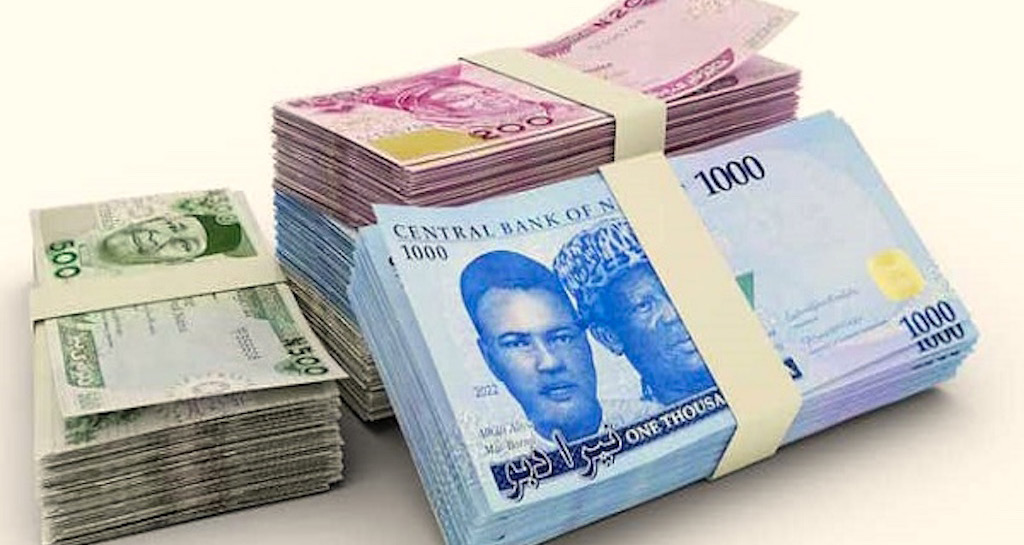

The British pound sterling staged a modest recovery against major global currencies on Wednesday, while the Nigerian naira maintained relative stability at N1,856 per pound in the parallel market, underscoring continued resilience in Nigeria’s foreign exchange market despite lingering macroeconomic pressures.
Currency traders said the pound’s rebound was driven largely by renewed investor confidence following stronger-than-expected economic indicators from the United Kingdom, including improving retail activity and easing inflationary concerns. The gains helped sterling recover part of the losses recorded earlier in the week amid uncertainty surrounding global interest rate expectations.
In Nigeria, however, the naira traded largely unchanged against the British currency in the informal market, reflecting a temporary equilibrium between demand and supply for foreign exchange. Market participants noted that subdued speculative activity and improved dollar liquidity in some segments of the market contributed to the currency’s relative steadiness.
At the parallel market, commonly referred to as the black market, the pound exchanged at approximately N1,856/£, with only marginal fluctuations reported across major trading hubs in Lagos and Abuja. The stability comes as businesses and households continue to monitor exchange-rate movements closely amid elevated import costs and inflationary pressures.
Analysts said the naira’s ability to hold its ground against sterling could signal improving market confidence following recent foreign exchange reforms introduced by the Central Bank of Nigeria (CBN). Those reforms include efforts to unify exchange-rate windows, boost transparency, and attract foreign portfolio inflows into the country’s financial markets.
“The relative calm in the naira-pound exchange rate suggests the market is adjusting to recent policy changes,” said a Lagos-based currency analyst. “However, liquidity constraints and external shocks remain key risks that could trigger renewed volatility.”
The pound’s rebound also reflects broader global currency dynamics. Investors are increasingly reassessing the monetary policy trajectory of the Bank of England as inflation in the UK shows signs of moderation without a significant deterioration in economic growth. A more stable UK economic outlook typically strengthens demand for sterling-denominated assets.
For Nigerian importers, students paying overseas tuition, and travellers to the UK, the stable naira-pound rate offers short-term predictability in transaction planning. Nevertheless, economists caution that Nigeria’s broader foreign exchange outlook remains vulnerable to oil-price fluctuations, capital inflow volatility, and external debt obligations.
The development comes as African frontier markets continue grappling with tight global financial conditions, rising borrowing costs, and persistent pressure on local currencies. Investors are expected to watch upcoming inflation data and central bank policy signals closely for further direction in both the UK and Nigerian currency markets.