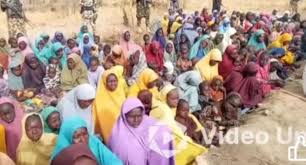

Boko Haram has released a video threatening the lives of 416 abducted women and children in Borno State, daring the government to attempt a forceful rescue. In the footage, the group issued a 72-hour ultimatum, warning that the victims would be moved to undisclosed locations if its demands are not met, deepening an already dire humanitarian crisis in the North-East.
The militants, who appeared armed and in military-style uniforms, said they were prepared for confrontation if authorities chose a military response. Although the video did not clearly state the demands, community sources confirmed an earlier ransom request of ₦5 billion. The Borno South Youths Alliance, acting as an intermediary, urged urgent intervention to secure the victims’ release. Its president, Samaila Ibrahim Kaigama, appealed to President Bola Tinubu and other stakeholders to act swiftly, warning that time is running out.
From a security and economic perspective, mass abductions impose significant costs beyond the immediate human toll. They disrupt agricultural activities, displace communities, and deter investment in affected regions. Borno State, already grappling with years of insurgency, faces additional strain on its limited resources as security forces must be deployed for rescue operations rather than prevention. The ransom demand, if met, could fund further terrorist activities, creating a vicious cycle of abductions and payments.
The federal government faces a difficult choice: negotiate and risk encouraging future abductions, or attempt a rescue and risk casualties. The 72-hour deadline adds urgency, but past operations have shown that military rescues carry high risks. The international community, including the United Nations and humanitarian organisations, will be watching closely. The abduction of over 400 women and children represents one of the largest mass kidnappings in recent years, and the government’s response will shape perceptions of its capacity to protect citizens and restore stability in the North-East.
T