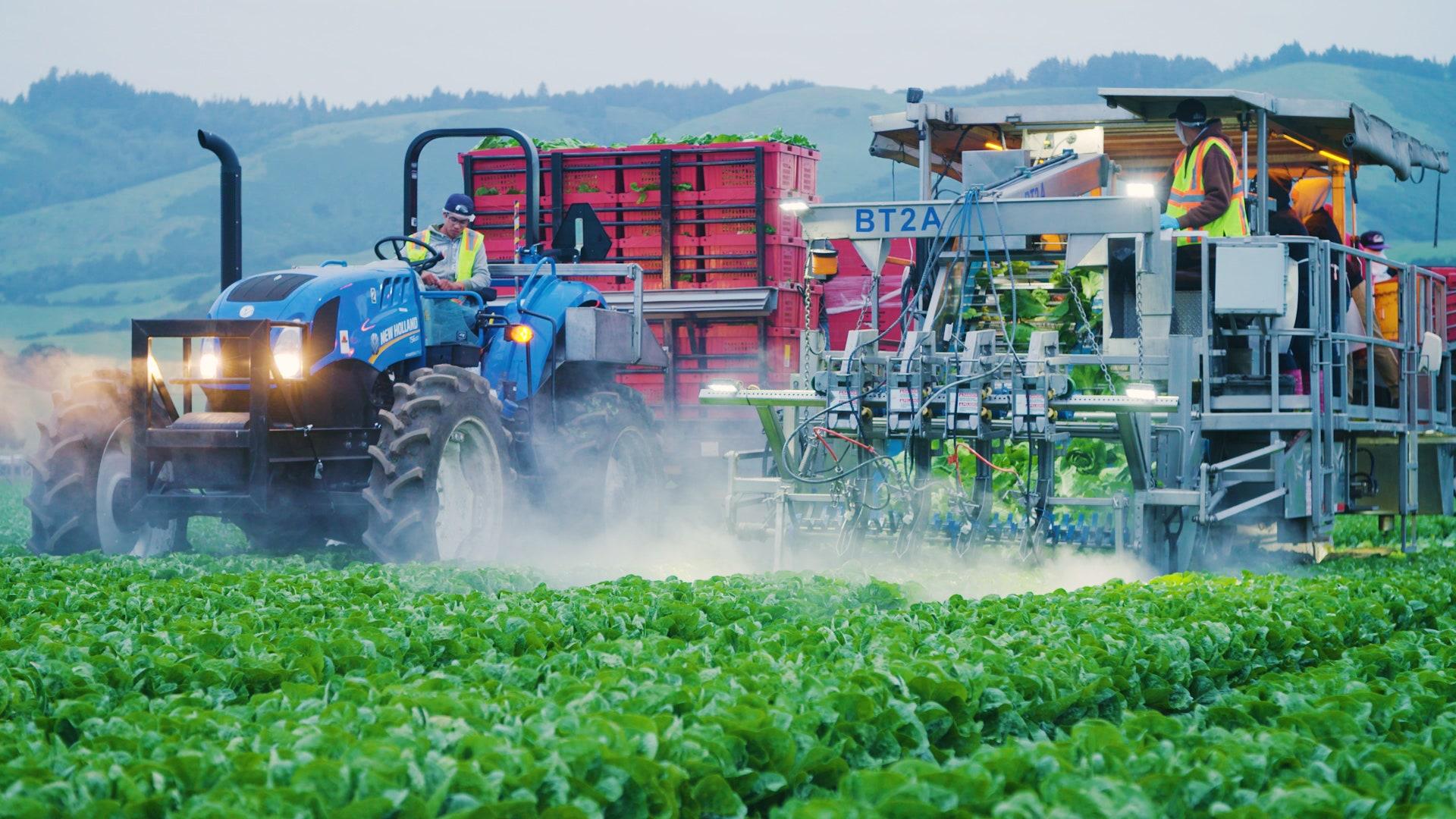

Nigeria’s Bank of Agriculture (BoA) has unveiled an ambitious proposal to accelerate farm mechanisation nationwide, seeking a strategic partnership with members of the House of Representatives to deploy modern agricultural equipment across all 360 federal constituencies.
The initiative signals a renewed policy focus on transforming Nigeria’s largely subsistence-driven farming sector into a more productive, commercially viable industry. Mechanisation defined as the use of machinery such as tractors, planters, and harvesters to replace manual labour is widely regarded as a critical lever for improving agricultural efficiency, yields, and scalability.
Under the proposal, lawmakers would collaborate with the BoA to facilitate access to mechanised farming tools within their constituencies, effectively decentralising agricultural infrastructure. The model is expected to combine public financing, constituency-level coordination, and private-sector participation to ensure equipment availability and maintenance.
Nigeria’s agricultural sector contributes roughly a quarter of gross domestic product but remains constrained by low productivity, limited access to finance, and heavy reliance on manual labour. According to industry estimates, the country has fewer than 30,000 functional tractors serving millions of smallholder farmers far below global benchmarks.
The BoA’s plan aims to close this gap by creating a structured framework for equipment leasing, shared services, and financing schemes tailored to rural farmers. By leveraging lawmakers’ local influence, the bank intends to improve distribution efficiency and ensure that mechanisation reaches underserved farming communities.
Analysts say the proposal could have significant implications for food security, a growing concern amid rising population pressures and persistent supply chain disruptions. Increased mechanisation typically leads to higher crop yields, reduced post-harvest losses, and lower production costs, factors that can help stabilise food prices over time.
However, execution risks remain. Previous government-led agricultural interventions have often faltered due to weak implementation, funding constraints, and governance challenges. Ensuring transparency, proper maintenance of equipment, and farmer training will be critical to the programme’s success.
Stakeholders in the agricultural value chain have cautiously welcomed the initiative, noting that aligning political structures with development finance institutions could improve accountability and scale. If effectively implemented, the partnership could mark a turning point in Nigeria’s long-standing effort to modernise its agricultural sector.
The BoA’s proposal comes at a time when policymakers are increasingly prioritising agriculture as a pathway to economic diversification, job creation, and reduced dependence on oil revenues. Whether this mechanisation drive delivers measurable impact will depend on sustained political will and disciplined execution