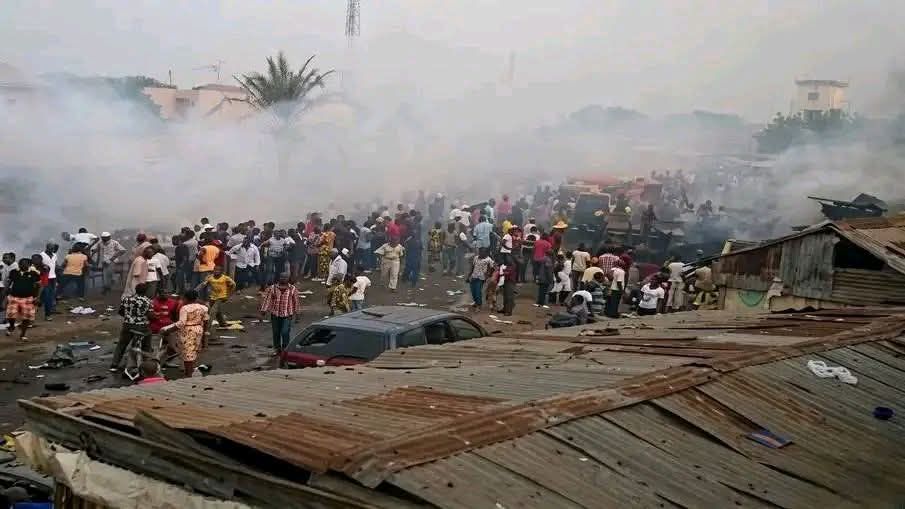

Civilians are feared dead after a reported airstrike by the Nigerian Air Force hit a village market near the Yobe-Borno border in Nigeria’s conflict-hit northeast, raising renewed concerns about the use of air power in civilian areas. The strike occurred during an operation targeting Islamist militants in the Jilli area of Borno State, a region heavily affected by the Boko Haram insurgency. While the Air Force confirmed carrying out “mop-up” strikes on suspected terrorist locations, it has not acknowledged hitting the market or confirmed casualties.
Reports of deaths vary widely, reflecting the difficulty of verifying information from the remote conflict zone. Reuters cited local officials and residents who claimed as many as 200 people may have been killed, while Nigerian media outlets reported figures ranging from 10 to 56. Emergency agencies say details remain unverified as rescue and assessment efforts continue, hampered by security challenges and limited access to the area.
The incident has drawn condemnation from human rights group Amnesty International, which warned against the use of air power in civilian areas. The organisation has previously documented cases of military airstrikes that resulted in civilian casualties, calling for greater adherence to international humanitarian law. The Nigerian military has consistently maintained that its operations are targeted and precise, though independent verification remains difficult in the northeast, where militant groups often embed themselves within communities.
From a counter-insurgency perspective, the incident highlights the difficult trade-offs facing security forces. Boko Haram and Islamic State West Africa Province fighters frequently operate from villages, using civilians as human shields while launching attacks on military and civilian targets. Air power offers a tactical advantage in reaching remote locations, but the risk of collateral damage remains high. The military’s ability to conduct effective investigations and, where errors occur, provide compensation to victims, will influence public trust in ongoing counter-terrorism operations.