
The ANOH Gas Processing Company (AGPC) has commissioned a new Police Operational Base in Assa Autonomous Community, reinforcing security infrastructure in the host area of its gas processing operations. The facility, fully funded by AGPC—an incorporated joint venture between Seplat Energy and NNPC Limited—is designed to enhance law enforcement presence, improve rapid response capability, and safeguard lives, property, and critical economic assets. The commissioning ceremony drew traditional rulers, security officials, community leaders, and corporate representatives, underscoring the collaborative approach to security management in the Niger Delta.
Delivering a goodwill message on behalf of Effiong Okon, Managing Director of AGPC, Celestine Akahomhen highlighted the importance of strong partnerships between the company and its host communities, noting that collaboration remains critical to operational success and sustainable development. He reaffirmed AGPC’s commitment to initiatives that promote stability, human capital development, and social progress. The new Police Operational Base is expected to enhance intelligence gathering, strengthen crime prevention, and improve coordination between security agencies and community stakeholders, creating a safer environment for economic activities.
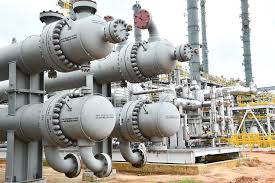
The security investment comes at a time when the protection of oil and gas infrastructure has become a national priority. Nigeria’s energy sector has faced persistent challenges from pipeline vandalism, crude oil theft, and security disruptions that have constrained production and deprived the federation of significant revenue. The ANOH Gas Processing Plant, a strategic facility designed to process natural gas for domestic power generation and industrial use, represents a critical asset in Nigeria’s effort to harness its gas resources and transition toward cleaner energy sources. Securing such infrastructure is essential for achieving the government’s gas development objectives and ensuring stable power supply.
From a community relations perspective, the commissioning reflects a broader shift toward collaborative security models that engage host communities as partners rather than passive beneficiaries. By investing in infrastructure that directly benefits residents while serving operational security needs, AGPC demonstrates an approach that aligns corporate interests with community welfare. Emmanuel U.N. Assor, Odozi Obodo II of Assa Autonomous Community, offered royal blessings and reaffirmed the community’s support for initiatives aimed at promoting peace and stability, signalling the buy-in that is essential for long-term security outcomes.
The presence of Audu Garba Bosso, Commissioner of Police, at the commissioning underscored the Nigeria Police Force’s commitment to maintaining law and order through collaboration with host communities and stakeholders. The operational base provides a permanent security presence that can respond rapidly to incidents, deter criminal activity, and build trust between law enforcement and residents. For communities that have often experienced security vacuums, such infrastructure represents a tangible benefit of hosting energy operations.
Another highlight of the event was the presentation of an Award of Excellence in Human Capacity and Community Development to AGPC by the Host Community Management Board, recognising the company’s contributions to youth empowerment and community relations. This recognition suggests that AGPC’s engagement extends beyond security infrastructure to include programmes that build local skills and create economic opportunities—factors that address the root causes of insecurity by providing alternatives to illicit activities.
The commissioning marks a significant step in reinforcing security and supporting sustainable development in Assa, reflecting deeper collaboration between industry operators, local communities, and security agencies. For the broader oil and gas sector, the model of community-embedded security infrastructure offers a template that could be replicated across other producing regions. As Nigeria works to boost production to meet OPEC quotas and domestic energy demand, investments in security infrastructure that enjoy community buy-in will be essential for protecting the assets that underpin the national economy.