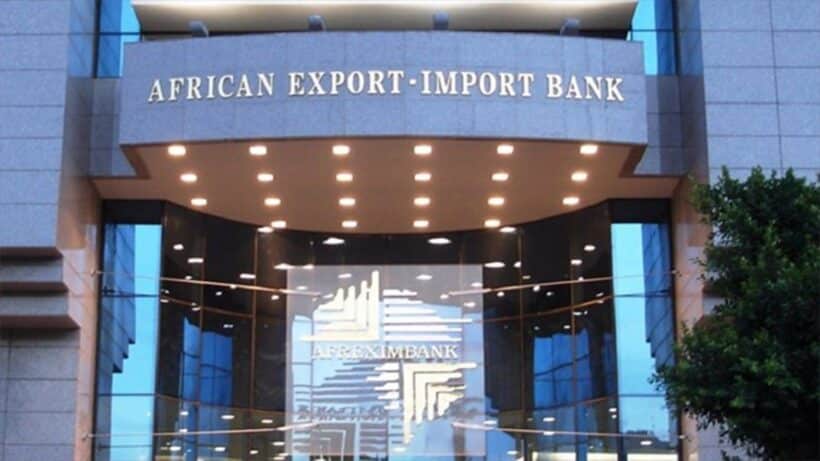

Afreximbank has launched a $10 billion support programme to help African and Caribbean countries manage the economic fallout from global disruptions and strengthen long-term resilience. The initiative is designed to provide short-term foreign exchange and liquidity, ensuring the continued import of essential goods such as fuel, liquefied natural gas, food, fertiliser and pharmaceuticals, particularly for vulnerable economies.
The programme addresses a critical vulnerability exposed by recent global shocks: the dependence of many African countries on external financing for basic necessities. When global liquidity tightens or risk appetite falls, import-dependent economies face currency pressures, supply shortages, and inflationary spikes. By offering a dedicated facility, Afreximbank aims to buffer member states against these transmission channels, preserving stability even when private capital retreats.
Beyond immediate liquidity support, the initiative will assist energy and mineral-exporting countries in scaling production to take advantage of elevated global prices and shifting trade routes. This recognises that some African economies could benefit from the current disruption if they can rapidly increase output and secure new market access. The programme also offers relief to nations whose tourism and aviation sectors have been hit, helping to stabilise key revenue sources that support employment and foreign exchange earnings.
For the Caribbean countries included in the programme, Afreximbank’s intervention reinforces the bank’s growing role as a bridge between Africa and its diaspora. Many Caribbean nations face similar structural challenges to African economies, including commodity dependence, limited fiscal space, and vulnerability to external shocks. Extending support to this region aligns with Afreximbank’s broader mandate to promote South-South cooperation and reduce reliance on traditional Western financiers.
The long-term component of the programme focuses on accelerating critical infrastructure projects, including energy, port and logistics developments, many of which were delayed by geopolitical tensions and supply chain disruptions. This recognises that short-term liquidity support, while necessary, does not address the underlying constraints that make African economies vulnerable. By financing infrastructure that reduces production costs, improves trade connectivity, and diversifies economic structures, Afreximbank aims to build resilience that endures beyond the current crisis.
For Nigeria, as Afreximbank’s host country and largest shareholder, the programme offers direct benefits through enhanced access to liquidity during stress periods, as well as indirect benefits through the stability of regional trading partners. The bank’s ability to mobilise $10 billion for this initiative signals continued access to international capital markets and the confidence of multilateral and bilateral partners in Afreximbank’s risk management and development impact.