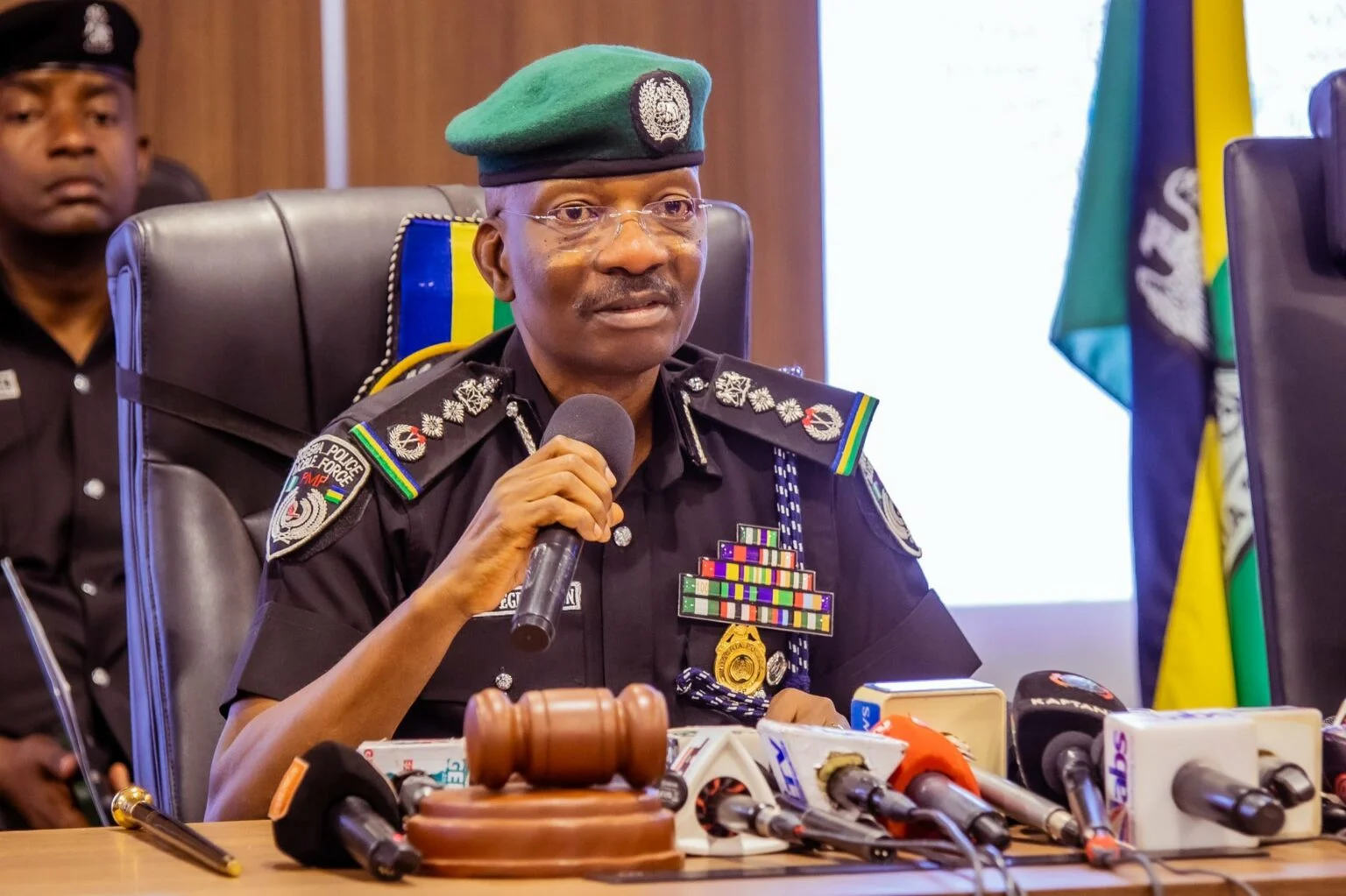

In a significant shake-up of Nigeria’s security architecture, Kayode Egbetokun has resigned from his position as the Inspector General of Police (IGP) following a direct request from President Bola Tinubu. The development, confirmed by multiple presidency sources on Tuesday, February 24, 2026, follows a high-stakes meeting at the Presidential Villa in Abuja on Monday evening.
The political consequence of this move is the conclusion of a tenure that was as legally complex as it was controversial. While Egbetokun was originally appointed in June 2023 and reached the mandatory retirement age of 60 in September 2024, his stay was extended through a contentious amendment to the Police Act. His departure now signals a shift in the administration’s strategy, moving away from the “tenure extension” narrative that had drawn sharp criticism from civil society and legal experts over the past year.
Analytically, the transition has followed a rapid and deliberate pattern. Insiders report that President Tinubu asked Egbetokun to “step aside” during their Monday consultation, leading to the submission of a formal resignation letter on Tuesday morning. Preparations are reportedly underway for a formal handover to Tunji Disu, an Assistant Inspector-General of Police (AIG) and current head of the Force Criminal Investigation Department (FCID) Annex in Lagos. Sources within the Police Service Commission indicate that Egbetokun has already been directed to prepare his handover notes, with a formal announcement from the Presidency expected imminently.
The impact on “Institutional Integrity and Public Trust” is a vital dimension of this leadership change. Egbetokun’s tenure was recently marred by allegations of favoritism in promotions and public disputes over the legality of his continued service, which repeatedly made headlines. By replacing him with Tunji Disu a celebrated officer known for leading the Intelligence Response Team (IRT) and the Lagos Rapid Response Squad (RRS) the administration appears to be attempting to restore a sense of meritocracy and professional stability to the Force.
Furthermore, the choice of Disu is seen by many as a tactical move to modernize the police. Disu is widely regarded for his “policing by consent” philosophy and his expertise in forensic investigations and technology-driven crime fighting. His anticipated elevation to the rank of the 23rd Inspector-General of Police is expected to be met with internal approval from younger officers whose career trajectories were previously stalled by tenure elongations at the top hierarchy.
The long-term outlook for the Nigeria Police Force depends on whether this change in leadership will be accompanied by deeper structural reforms. While the removal of Egbetokun addresses immediate political and legal pressures, the incoming IGP will face the daunting task of tackling rising insecurity and internal corruption. For now, the “Egbetokun era” ends as a case study in the friction between executive discretion and statutory retirement laws in Nigeria.