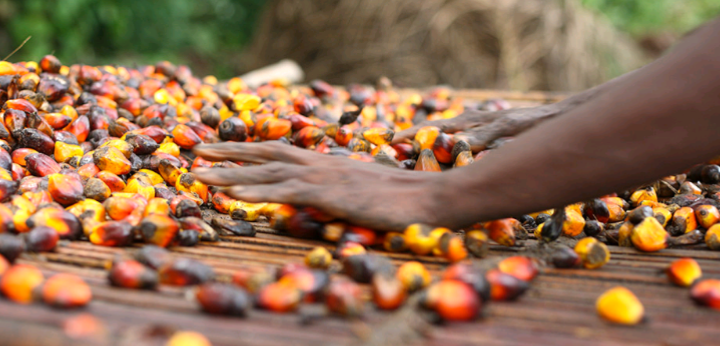

Nigeria’s palm oil production climbed to an estimated 1.57 million tonnes in 2025, underlining persistent recovery in the sector and renewed global attention on the country’s agricultural potential. This figure was confirmed by the Council of Palm Oil Producing Countries (CPOPC) during its recent delegation visit to Abuja, where stakeholders discussed coordinated efforts to support oil palm growth and competitiveness in West Africa’s largest economy.
The increase reflects a modest upward trend over the past five years, with production rising from about 1.28 million tonnes in 2020 to 1.57 million tonnes in 2025. This growth underscores some progress in local cultivation and processing capacity, but efficiency and scale remain constrained by structural challenges within the sector.
CPOPC officials reiterated the importance of regional and international collaboration to enhance productivity and sustainability. In their view, strengthened cooperation with major palm oil-producing nations can help improve technical frameworks for smallholder and commercial producers alike. “Together, producing nations can shape a stronger, more coordinated global voice. One that protects farmer livelihoods, advances food security, and ensures balanced, development-oriented sustainability frameworks,” said the CPOPC Secretary-General.
Despite this, domestic consumption continues to outpace production. In 2025, consumption was estimated at around 2.61 million tonnes, compared with the 1.57 million tonnes produced. The resulting shortfall, more than 1 million tonnes, persists as Nigeria meets the gap mainly through imports. This trend results in significant foreign exchange expenditure. Nigeria reportedly spends around $600 million each year on palm oil imports, even as it possesses fertile land, a large rural workforce, and a long history of palm cultivation.
A key weakness in the current landscape is the dominant role of smallholder farmers, who account for more than 80 % of national output. Many of these producers rely on outdated methods, low-yield seedlings, and limited access to capital, technology, and processing infrastructure. These conditions keep productivity far below global benchmarks and limit the sector’s ability to scale.
Industry voices and government officials have stressed that boosting yields, modernising farming techniques, and structuring value chains are essential for breaking this cycle. There is growing advocacy for Nigeria to fully adopt improved hybrid planting materials, expand capacity-building programmes for smallholders, and integrate more efficient processing centres that can elevate overall output levels.
Experts also argue that value chain reforms, including traceability systems, strategic roadmaps, and investment in processing capacity, are needed to make the palm oil industry more competitive and less reliant on imports. Such reforms are seen as necessary for enhancing food security, broadening export potential, and attracting long-term private sector investment.
In summary, while the rise to 1.57 million tonnes in 2025 signals a positive shift, Nigeria’s palm oil sector still faces a significant supply deficit and structural inefficiencies that must be addressed. Success will depend on coordinated policy action, technical innovation, investment in modern farming systems, and deeper engagement with international partners to harness the full economic potential of this strategic agricultural commodity.