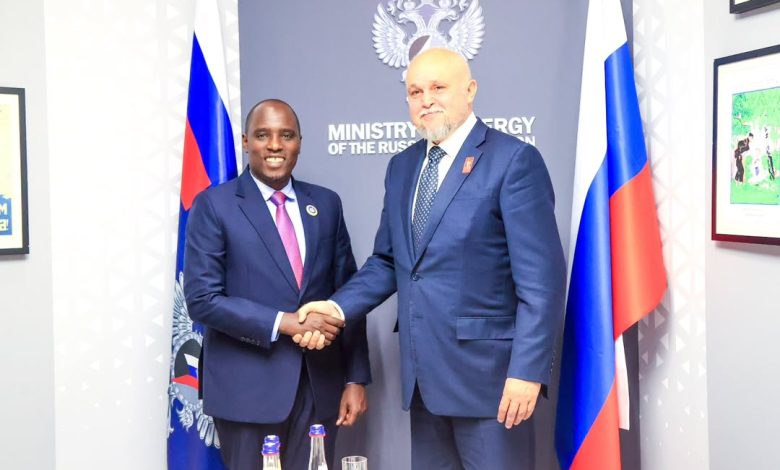

Tanzania and Russia have committed to a significant expansion of bilateral cooperation following high-level diplomatic talks in Moscow, signaling a strategic realignment for the East African nation’s economic and industrial future. The discussions, led by senior officials from both countries, focused on deepening ties in critical sectors including energy, mining, and technology, while exploring new avenues for infrastructure development. For the Tanzanian economy, this burgeoning partnership represents a vital diversification of its foreign investment portfolio, offering access to Russian technical expertise and capital at a time when the nation seeks to accelerate its transition into a regional industrial hub.
The economic significance of this diplomatic engagement lies primarily in the energy and extractive industries, which are the cornerstones of Tanzania’s growth strategy. Russia has expressed a keen interest in providing technological support for Tanzania’s burgeoning liquified natural gas (LNG) sector and mineral processing capabilities. By leveraging Russian advancements in nuclear energy and geological survey technology, Tanzania aims to enhance its energy security and maximize the value of its vast natural resources. This collaboration is expected to reduce the country’s reliance on raw material exports, fostering a more resilient industrial base that can support long-term GDP growth and create high-skilled employment opportunities for its youth.
Furthermore, the Moscow talks highlighted a mutual desire to increase trade volumes, which currently remain below their potential. The two nations are exploring the creation of a Joint Economic Commission to streamline trade protocols and facilitate the entry of Tanzanian agricultural products—such as coffee, tea, and tobacco—into the vast Russian market. For Tanzanian farmers and agribusinesses, this opening offers a lucrative alternative to traditional European markets, providing a buffer against global price volatility. In return, Tanzania stands to benefit from increased imports of Russian machinery, fertilizers, and wheat, which are essential inputs for the country’s agricultural and construction sectors.
The regional context of this partnership is also noteworthy. As Tanzania strengthens its ties with Moscow, it positions itself as a pragmatic player in the evolving geopolitical landscape of East Africa. Unlike its neighbors, Tanzania has maintained a policy of non-alignment that allows it to seek strategic benefits from a wide array of global partners. This engagement with Russia is likely to be viewed through the lens of South-South cooperation, emphasizing mutual respect for sovereignty and a shared goal of challenging traditional economic dependencies. For the East African Community (EAC), Tanzania’s move could serve as a template for utilizing diverse international partnerships to fund large-scale regional infrastructure projects.
Sector-specific risks, however, must be carefully managed. The deepening of ties with Russia occurs against a backdrop of complex international sanctions and global geopolitical tensions. Tanzanian financial institutions and businesses will need to navigate these complexities with caution to ensure that increased cooperation with Moscow does not inadvertently jeopardize their access to Western capital markets or international payment systems. Maintaining this delicate balance will be essential for Tanzania to reap the economic rewards of the partnership without incurring significant diplomatic or financial costs.
Ultimately, the Moscow talks represent a forward-looking step in Tanzania’s quest for economic sovereignty and industrial modernization. By aligning with a global power that possesses significant expertise in heavy industry and energy, Tanzania is reinforcing its position as one of Africa’s most promising investment destinations. If executed effectively, these strategic ties could provide the necessary catalyst for the nation to achieve its development goals, transforming its economic landscape and elevating its influence within the African continent.