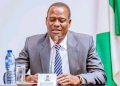
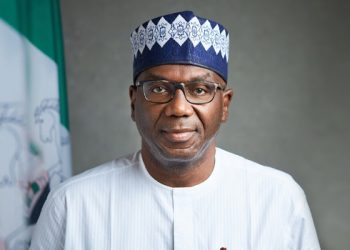
Anambra State Governor, Professor Chukwuma Soludo, has called on the South East Development Commission (SEDC) to spearhead the creation of a “Marshall Plan” specifically tailored to the unique economic needs of the South East region. Speaking at a strategic engagement, the Governor emphasized that the Commission must move beyond routine administrative functions to become a transformative engine for regional integration and industrial resurgence. For the Nigerian economy, the successful implementation of such a coordinated development blueprint in the South East is essential to unlocking the nation’s non-oil potential and achieving a more balanced national growth trajectory.
The economic consequence of a Marshall Plan for the South East lies in its potential to address the systemic infrastructure and energy deficits that have historically capped the region’s industrial output. By calling for a structured, large-scale investment framework, Governor Soludo is advocating for a shift toward “developmental regionalism.” If the SEDC can successfully coordinate the five South Eastern states to pool resources for gas-to-power projects, inter-state rail connectivity, and specialized export processing zones, the resulting increase in manufacturing capacity would significantly bolster Nigeria’s total GDP and reduce the country’s reliance on imported consumer goods.
Analytically, Soludo’s demand for a Marshall Plan highlights the need for a targeted fiscal intervention to repair the economic “scars” left by years of insecurity and underinvestment. The South East, home to the industrial clusters of Nnewi, Aba, and Onitsha, possesses the highest density of small and medium-scale enterprises (SMEs) in Nigeria. However, these businesses struggle with high logistics costs and erratic power supply. A SEDC-led plan that prioritizes the “digitization” of trade and the modernization of artisanal manufacturing would not only create millions of high-quality jobs but also enhance the competitiveness of Nigerian products within the African Continental Free Trade Area (AfCFTA).
Furthermore, the Governor’s charge serves as a critical reminder of the importance of sub-national cooperation in Nigeria’s fiscal federalism. The SEDC, established to manage the ecological and developmental challenges of the region, must now transition into a strategic investment coordinator. By developing a unified roadmap, the Commission can provide a “sovereign-backed” guarantee for private equity and multilateral lenders looking to invest in regional projects. This approach minimizes the risk for international investors who may be wary of individual state-level political transitions, offering instead a long-term, institutionalized path for capital deployment.
The fiscal implications for the national government are equally significant. A more prosperous and stable South East would lead to a substantial increase in Value Added Tax (VAT) and Company Income Tax (CIT) collections, thereby easing the pressure on the Federation Account. Governor Soludo’s vision also encompasses the environmental and ecological restoration of the region, which is currently threatened by severe erosion. Integrating environmental sustainability into the Marshall Plan ensures that the region’s economic growth is resilient and that its agricultural heartlands remain productive, contributing to national food security and stabilizing food inflation.
The long-term economic outlook for Nigeria is inextricably linked to the revitalization of its regional hubs. As the SEDC takes up the challenge to produce this comprehensive blueprint, the focus must remain on measurable outcomes and transparency in fund management. The proposed Marshall Plan must be more than a document; it must serve as a catalyst for a new era of “competitive productivity” where the South East serves as the engine room of Nigeria’s industrialization. The transition from a commerce-driven economy to a production-led one in the region remains the most viable strategy for strengthening the Naira and securing a prosperous future for the Nigerian people.