
Petroleum marketers have called on the Federal Government to sell crude oil to domestic refineries at subsidised rates, warning that the measure may be the only way to protect Nigerians from a sharp rise in petrol prices.
The Independent Petroleum Marketers Association of Nigeria (IPMAN) urged President Bola Tinubu to consider a crude price subsidy for local refiners, including the Dangote Petroleum Refinery, and to extend the naira-for-crude arrangement to modular refineries operating across the country.
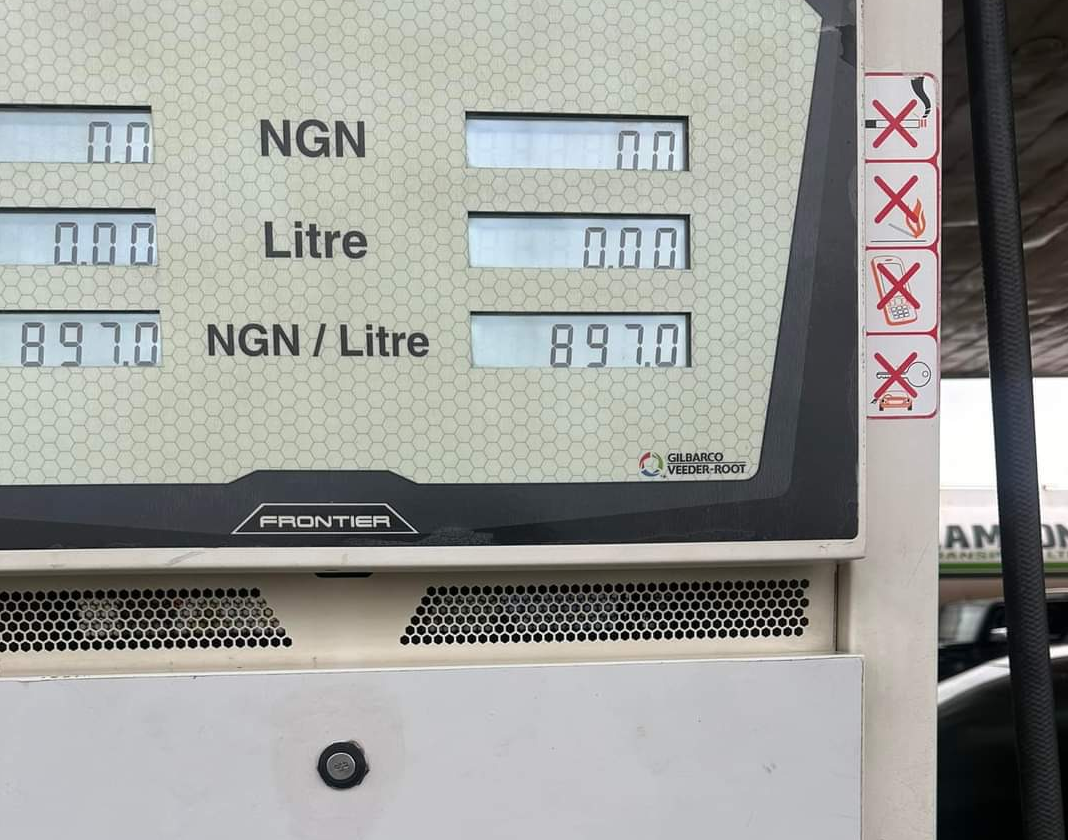
The appeal follows a recent increase in petrol prices, with pump rates rising to about N839 per litre at several filling stations after the Dangote refinery adjusted its gantry price. The hike came amid a global surge in crude oil prices, which briefly crossed $70 per barrel, sparking concerns that petrol prices could climb toward N1,000 per litre, particularly in areas far from major depots and refineries.
Speaking on the development, IPMAN spokesperson Chinedu Ukadike said fluctuations in global crude prices directly affect domestic fuel prices, making a stabilisation mechanism necessary. He argued that subsidised crude supply to local refineries would help absorb external price shocks and prevent sudden increases in pump prices.
Ukadike said a special pricing arrangement for crude oil sold to domestic refiners would act as a buffer against volatility in the international oil market and protect consumers from inflationary pressure on transport and basic goods.
According to him, the recent increase in Dangote refinery’s gantry price, which rose from N699 to N799 per litre, was linked to higher global crude prices and the withdrawal of temporary price support measures. The adjustment forced marketers who had already processed payments at the old price to make additional payments before loading products.
Following the price changes, filling stations across Lagos and other cities adjusted pump prices, with petrol selling between N830 and N859 per litre in several locations. Sales at NNPC retail outlets and partner stations also reflected the new pricing structure.
Ukadike said fuel demand has slowed since the price increase, noting that consumers are becoming more cautious in their fuel consumption compared to the festive period when prices were lower.
He warned that unless crude prices fall significantly, upward pressure on petrol prices would persist, adding that exchange rate movements and global oil prices remain the key drivers of domestic fuel pricing.
IPMAN stressed that without policy intervention, continued crude price increases could weaken marketers’ purchasing power and worsen affordability for consumers across the country.