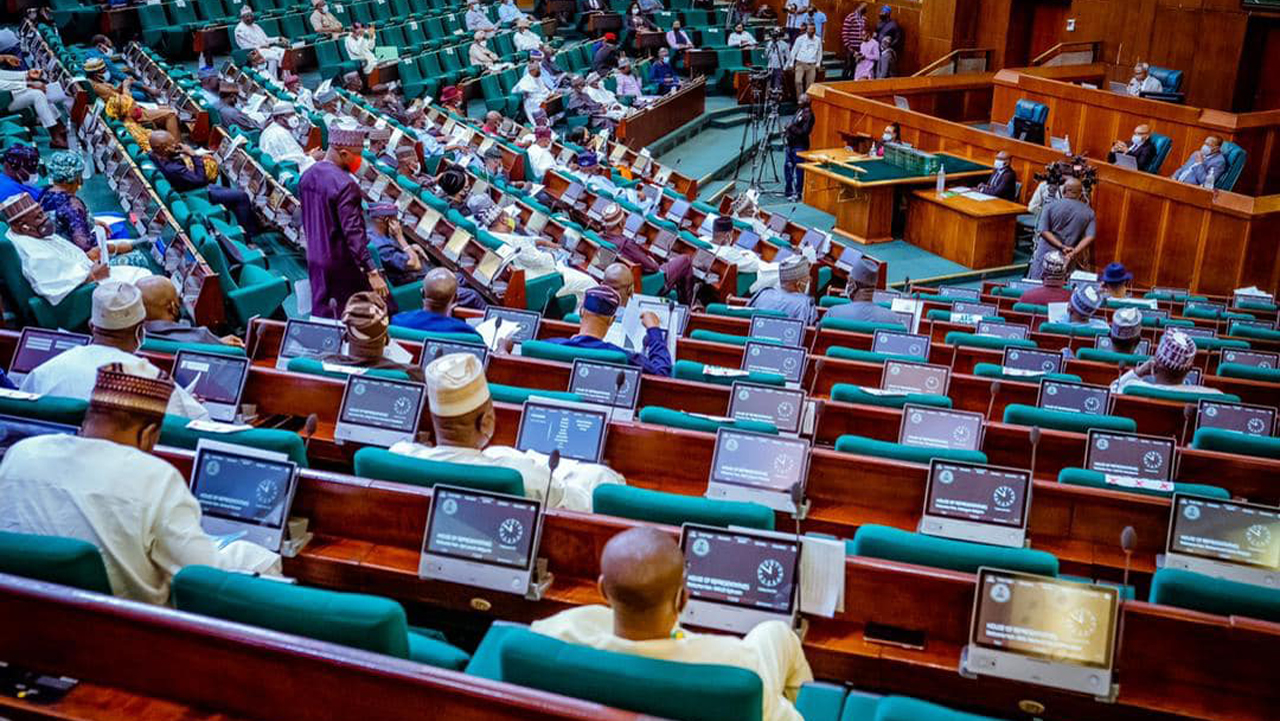

The House of Representatives has passed the federal government’s N58.47 trillion 2026 appropriation bill for second reading, moving the spending proposal further into the legislative process.
The bill scaled second reading on Thursday during plenary, shortly after lawmakers reconvened from an executive session that lasted over 30 minutes. The motion for its consideration was moved by Julius Ihonvbere, majority leader of the house and representative of Owan federal constituency.
While presenting the general principles of the bill, Ihonvbere described the 2026 budget as part of Nigeria’s ongoing effort to achieve economic stability, growth, and sustainable development. He argued that meaningful development must be enduring, noting that short-term gains do not amount to real progress.
According to him, economic reforms are often difficult and painful, particularly in a country grappling with long-standing political, social, and economic challenges. He added that restructuring and repositioning the nation would inevitably come with hardship, stressing that the current administration is working with institutions and systems shaped by previous governments.
The majority leader urged lawmakers to recognise their responsibility in guiding the executive and ensuring accountability, describing the national assembly as a critical partner in economic management. He also pointed to the president’s foreign engagements, including a recent visit to Turkey, which he said underscored Nigeria’s efforts to strengthen economic partnerships.
Ihonvbere highlighted recent macroeconomic indicators, noting relative stability in the naira, which he said had strengthened from levels above N1,800 to around N1,400, and an increase in external reserves to about $46 billion, sufficient to cover over 10 months of imports. These developments, he said, provided the backdrop for the 2026 budget proposal.
Following his presentation, Speaker Tajudeen Abbas called for a voice vote, with the “ayes” prevailing over the “nays.” The bill was consequently passed for second reading without debate or opposition.
President Bola Tinubu presented the 2026 budget to a joint session of the national assembly on December 19, while the senate passed it for second reading on December 23.
A breakdown of the proposal shows allocations for statutory transfers, debt servicing, recurrent expenditure, and capital projects, alongside medium-term assumptions on oil prices, production levels, exchange rates, inflation, and GDP growth for 2026 to 2028.