
Economic analysts have warned that political uncertainty and delays in the approval of Nigeria’s 2026 budget could threaten recently upgraded growth forecasts for the country, despite an improved outlook by the International Monetary Fund.
The IMF, in its January 2026 World Economic Outlook, revised Nigeria’s growth projection upward to 4.4 per cent for 2026, positioning the country as a key driver of economic expansion in sub-Saharan Africa. The Fund expects growth in the region to strengthen to 4.6 per cent in both 2026 and 2027, supported by macroeconomic reforms and stabilisation efforts in major economies.
Private sector analysts broadly align with the IMF’s optimism. Afrinvest projected a 4.3 per cent growth rate in its 2026 Macroeconomic Outlook, while EnterpriseNGR forecast a slightly higher expansion of 4.49 per cent, citing expected growth across services, agriculture, trade, and telecommunications.
Afrinvest attributed its projection to sustained private-sector investments in telecommunications, oil and gas, agriculture, and financial services, alongside the potential for increased foreign portfolio inflows driven by Nigeria’s relatively high yields.
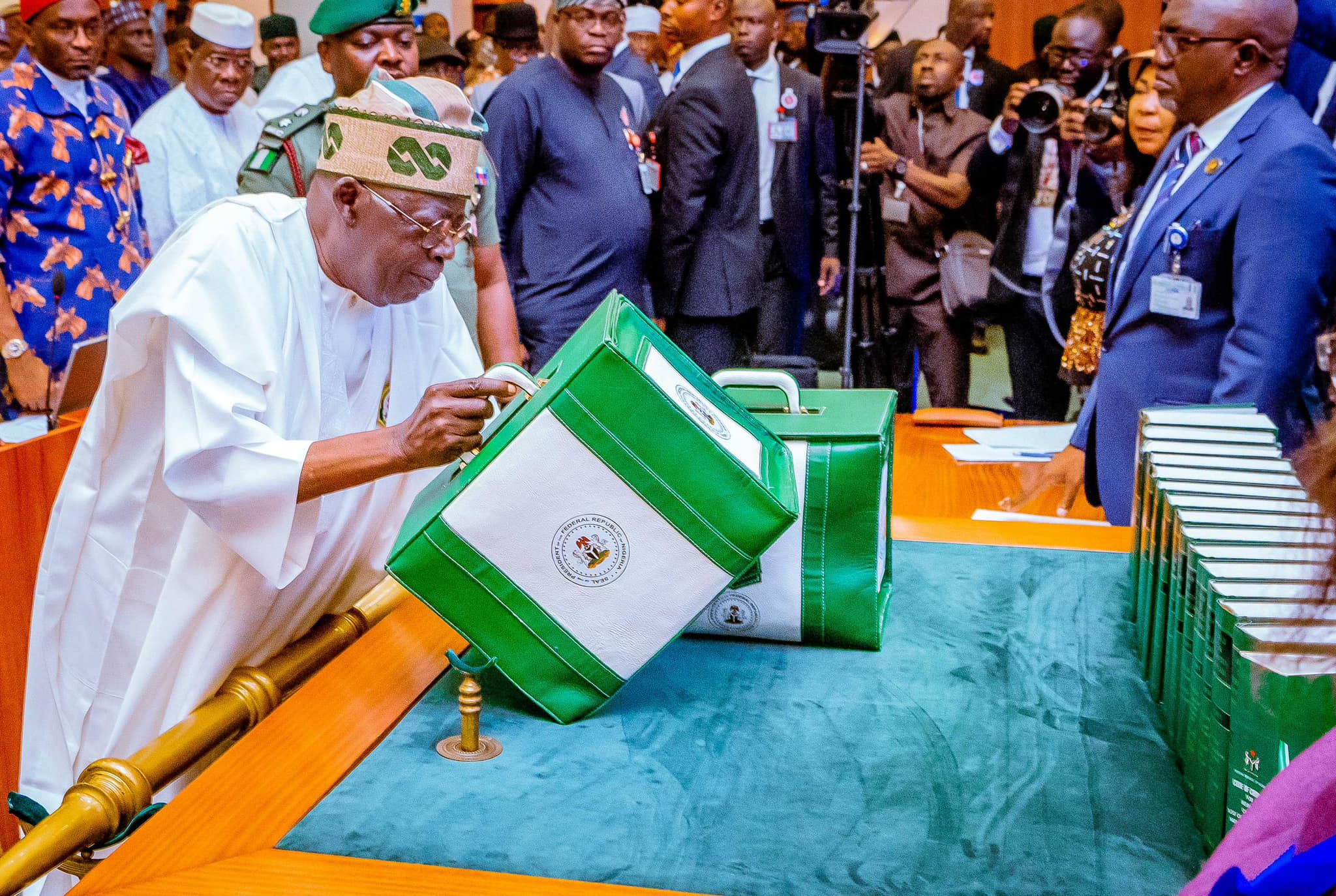
However, the firm cautioned that several downside risks could undermine the growth outlook. In a recent market report, Afrinvest flagged heightened pre-election politicking, unresolved geopolitical pressures, and delays in passing the proposed N58.2tn 2026 budget as key threats. The budget, presented to the National Assembly by President Bola Tinubu, has yet to be approved.
Analysts also pointed to Nigeria’s vulnerability to global trade conditions, noting that slower global trade growth in 2026 could affect export earnings. Crude oil, which accounts for about 85 per cent of Nigeria’s exports, is expected to contribute over a third of the Federal Government’s projected revenue for the year.
EnterpriseNGR maintained a cautiously positive outlook for the oil and gas sector, projecting improved output supported by better security conditions, ongoing reforms, and domestic refining expansion. Nigeria’s crude oil production is expected to average 1.5 million barrels per day in 2026, with oil prices projected to remain relatively stable.
Both research firms stressed that effective fiscal management, reduced political tensions, and policies focused on inclusive growth would be critical for sustaining economic momentum amid evolving domestic and global challenges.