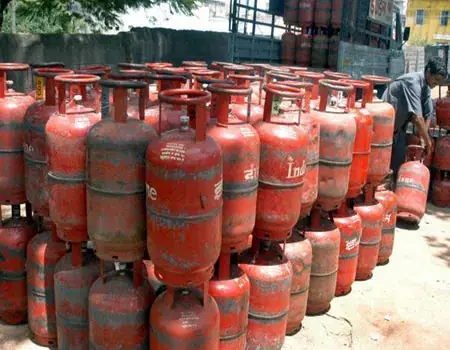

Cooking gas prices in Nigeria have soared to a record ₦25,000 for a 12.5-kilogram cylinder, deepening hardship for households and small businesses as supply bottlenecks choke the market. The price jump — from ₦17,500 barely a week ago — marks one of the steepest spikes in years and highlights the fragility of Nigeria’s energy distribution system.
Across major cities such as Lagos, Abuja, and Port Harcourt, residents are scrambling for scarce Liquefied Petroleum Gas (LPG), with prices now ranging between ₦1,500 and ₦2,000 per kilogram depending on location. The surge has forced many families to turn back to firewood and kerosene, raising fresh concerns over environmental and health impacts.
The crisis, according to the Nigerian Association of Liquefied Petroleum Gas Marketers (NALPGAM), stems largely from disruptions caused by the recent strike action by the Petroleum and Natural Gas Senior Staff Association of Nigeria (PENGASSAN). The industrial action temporarily halted operations at the Dangote Petroleum Refinery — currently Nigeria’s biggest domestic LPG producer.
“The situation we’re witnessing is a direct result of interrupted distribution during the industrial action,” said NALPGAM Executive Secretary Bassey Essien. “Demand has continued to outpace supply, but we expect some level of stability once deliveries resume.”
Supply Chains Under Strain
The supply interruptions have left gas plants shuttered and cylinders empty across parts of Lagos and Ogun states, with many retail outlets reporting no stock through the weekend. Some consumers said they had to drive long distances in search of refills.
Industry analysts say the shortage underscores Nigeria’s heavy reliance on a few domestic producers and its vulnerable supply chain. Dangote Refinery, which currently produces about 2,000 tonnes of LPG daily, still falls short of meeting the country’s fast-growing demand.
Dangote Group President Aliko Dangote said the refinery is working to ramp up capacity and may begin direct sales to consumers to reduce price inflation caused by middlemen. “If distributors can’t bring prices down, we’ll go directly to the market,” he said, emphasizing the need to help households transition from firewood and kerosene to cleaner energy sources.
Before Dangote entered the market, Nigeria LNG Limited (NLNG) was the dominant local supplier. The company said it remains committed to ensuring stable domestic supply, noting that since 2022, it has dedicated all its butane production — the main component of cooking gas — to Nigerian households.
“Over the years, we have expanded our domestic LPG scheme, supplying through approved coastal terminals in Lagos and Rivers State, with more under review in Delta,” NLNG said. “We’ve also deployed a dedicated vessel to guarantee consistent deliveries.”
Despite these assurances, distribution gaps persist. A combination of higher global freight costs, currency depreciation, and inadequate local infrastructure has kept retail prices high.
Economists warn the crisis may worsen inflation and deepen energy poverty as millions of low-income families struggle to afford clean cooking fuel. While supply is expected to ease gradually following the end of the PENGASSAN strike, analysts caution that without major logistics reforms, Nigeria’s cooking gas market will remain exposed to shocks that quickly ripple through the economy.