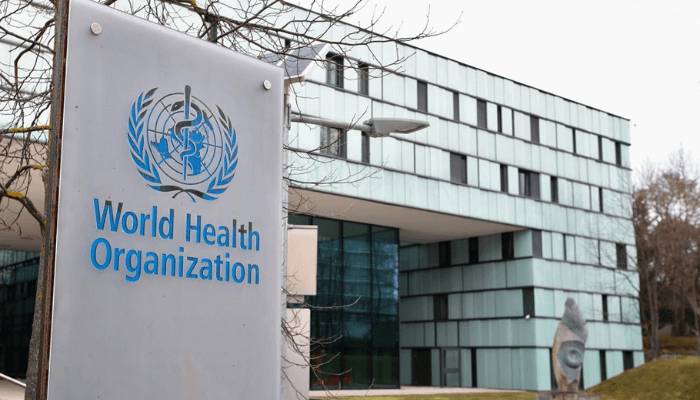

The International Council of Beverages Associations (ICBA) has sharply criticised the World Health Organization’s (WHO) 2025 global report on Sugar-Sweetened Beverage (SSB) taxes, arguing that its renewed push for higher levies on sugary drinks and alcohol is not grounded in solid evidence and could end up hurting consumers and economies. The dispute reflects a deepening rift between public health institutions and the beverage industry over the best ways to combat non-communicable diseases, such as obesity and diabetes.
The WHO’s report urged governments around the world to strengthen excise taxes on sugar-sweetened beverages and alcoholic drinks as part of broader efforts to curb unhealthy consumption and raise revenue for health systems. The global health body says that such “health taxes” can make harmful products more expensive and, in turn, reduce demand, while also generating funds that can be reinvested in health promotion and care systems.
But the ICBA, representing the interests of the global non-alcoholic beverage industry, has taken issue with that narrative. Katherine Loatman, the ICBA’s Executive Director, said the association was disappointed that the WHO continued to prioritise higher taxes over other sugar-reduction strategies that the industry believes have proven health benefits. In a statement, she criticised the report for “downplaying” interventions such as product reformulation, smaller portion sizes and improved labelling measures she says can more directly influence consumer behaviour and reduce sugar consumption without raising costs for families.
“More than a decade of global evidence shows that beverage taxes has not reduced obesity or improved health outcomes,” Loatman said, reiterating a point the ICBA has made repeatedly in previous policy debates. She argued that governments should focus first on policies backed by strong evidence of effectiveness, rather than relying on tax increases that primarily drive up prices.
Industry officials have long maintained that taxes tend to be blunt instruments that fail to discriminate between high- and low-sugar products, and that steep levies can contribute to inflationary pressure on everyday goods particularly in countries already struggling with high living costs. They also contend that increased costs are ultimately passed on to consumers, disproportionately affecting low-income households.
In response to the WHO’s report, Loatman underscored the ICBA’s commitment to what she described as “collaborative measures,” including the expansion of low- and no-sugar product options, clearer nutritional labelling and responsible marketing practices. She framed these approaches as practical pathways for reducing sugar consumption without the negative economic side effects that taxes can impose.
The tension over SSB taxation highlights broader debates in global health policy about how best to address the rising burden of non-communicable diseases. While public health advocates emphasise the role of price signals and fiscal tools to discourage consumption of harmful products, industry groups argue for a balance between regulatory measures and voluntary reforms that maintain consumer choice and economic stability.
Sugar taxes remain a contested issue worldwide. Some governments have embraced them as part of a larger public health strategy, while others have resisted or moderated their use in light of industry pushback and concerns about economic impact. The ICBA’s latest critique adds to a growing chorus of stakeholders urging more nuanced and evidence-driven approaches to public health nutrition policy.