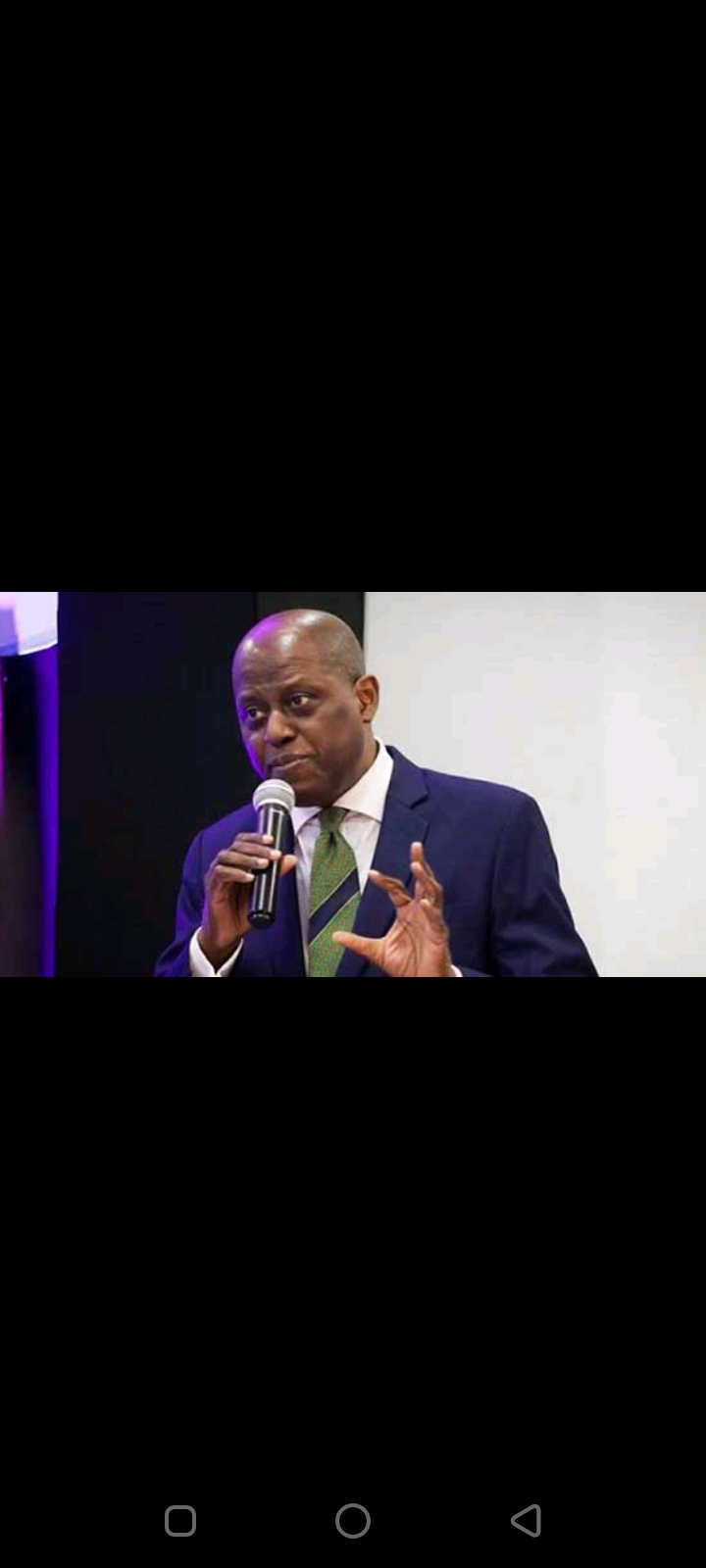

Nigeria is winning back the confidence of global investors, thanks to recent monetary and structural reforms led by the Central Bank of Nigeria (CBN) under Governor Olayemi Cardoso. Speaking at the CBN Governor’s Lecture organised by the Lagos Business School, Cardoso said that consistent and transparent policies, especially in the foreign exchange market, are helping to rebuild trust and drive renewed investor interest in the country.
Cardoso highlighted that one of the most critical reforms—clearing the foreign exchange backlog—was a “decisive” move that sent a strong signal of policy credibility. He noted that the backlog had previously raised doubts about Nigeria’s commitment to reforms, and clearing it showed that “promises made” were now “promises kept.”
Another major step, according to the CBN Governor, is the introduction of a B-Matching electronic trading system, which has brought greater transparency to the FX market and allowed rates to be determined more by market dynamics. This, he said, has helped eliminate speculation and inefficiencies that had long plagued the system.
Cardoso also disclosed that by November 2025, the CBN would take over the regulation of the Nigerian fixed income market which is a space currently managed by private operators. The move, he explained, aims to improve monetary policy transmission, ensure better liquidity management, and align the market with the broader economic objectives of the government. He stressed that the CBN would continue to operate with principles of consistency, clarity, innovation, and inclusion.
Investor reactions have been largely positive. Adebayo Ogunlesi, Chairman of Global Infrastructure Partners, described Nigeria as “now exciting to investors.” He pointed out that the new policy direction, coupled with broader reforms in tax, infrastructure, and energy, are making the country a more attractive destination for global capital.
Ogunlesi, whose firm manages billions of dollars in infrastructure assets across the globe, revealed that although his company had focused on ports in Cotonou and Lomé in the past, Nigeria is now back on their radar, particularly in sectors like natural gas, aviation, and renewable energy. He credited this shift to the more stable and investor-friendly environment emerging under the current economic leadership.
Also lending his voice, Hakeem Bello-Osagie emphasized that the “reforms of President Bola Tinubu and Governor Cardoso” are changing the investment narrative for Nigeria. He called on Nigerians at home and abroad to look inward and invest locally, noting that the environment is gradually becoming more conducive for sustainable returns.
Financial market analysts believe the CBN’s decision to regulate the fixed income market directly will enhance transparency in sovereign debt transactions and reduce market manipulation. They argue that such a move will align monetary tools with real sector needs and improve investor perception about Nigeria’s economic management.
In his closing remarks at the event, Cardoso reminded attendees that “credibility once lost is hard to regain,” and urged for continued discipline and focus in implementing reforms. He noted that the renewed global interest in Nigeria is not accidental, but a result of deliberate policy action. “In one word,” he concluded, “the future for Nigeria is bright.”