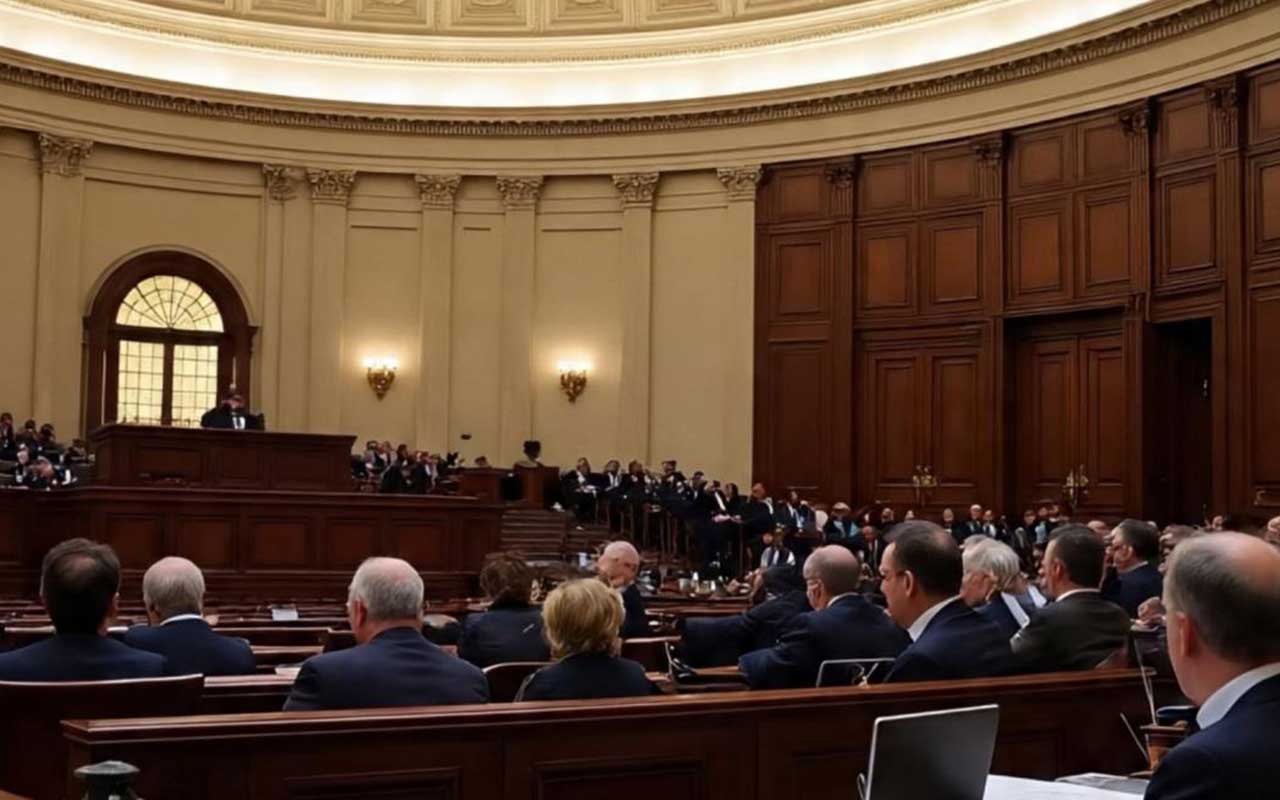

The U.S. House of Representatives has overwhelmingly approved a three-year extension of the African Growth and Opportunity Act (AGOA), a landmark trade initiative that provides duty-free access to American markets for more than 30 African countries. The bill now proceeds to the Senate, where the eligibility of certain nations, including South Africa, is expected to receive closer scrutiny. Analysts describe the move as a strategic effort by Washington to support African trade, stimulate investment, and strengthen economic ties between the continent and one of the world’s largest consumer markets.
First enacted in 2000, AGOA was designed to encourage African countries to diversify their economies, improve trade infrastructure, and integrate more fully into the global economy. By granting duty-free access to U.S. markets for eligible products, including textiles, agricultural goods, and manufactured items, AGOA provides an incentive for African countries to expand production, improve quality standards, and attract investment in export-oriented sectors. Economists note that extensions such as this one are particularly valuable in a post-pandemic global economy, where supply chain resilience and market access are critical for sustaining growth.
For African exporters, the extension represents an opportunity to strengthen trade volumes, increase foreign exchange earnings, and create jobs. Countries like Uganda, Kenya, and Ghana, which rely on agricultural exports and light manufacturing, could see increased demand for their goods, particularly textiles, processed agricultural products, and specialised commodities. By providing a predictable market for these products, AGOA reduces trade risk, encourages long-term planning, and supports industrialisation efforts in participating countries.
However, experts caution that the benefits of AGOA are not automatic. Access to U.S. markets depends on domestic governance, infrastructure, and regulatory stability. For exporters, reliable transport networks, functional ports, and efficient customs processes are essential to ensure products reach the U.S. market in a timely and cost-effective manner. Political instability, security challenges, or disruptions to digital and physical logistics could limit the ability of African producers to fully capitalise on trade privileges.
The extension also underscores the interconnection between trade policy and broader economic development strategies. By offering preferential market access, the United States aims to promote sustainable economic growth in Africa while creating opportunities for foreign direct investment. The legislation aligns with U.S. strategic interests in Africa, including strengthening regional economic integration, supporting development, and providing a counterbalance to other global powers seeking influence on the continent.
AGOA extensions can also facilitate investment in value-added sectors. For instance, access to U.S. markets for processed agricultural products encourages countries to invest in local processing facilities, generating higher-skilled employment and keeping a greater share of economic value within the country. Similarly, the textile and apparel sector benefits from access to a large consumer base, incentivising improvements in productivity, technology adoption, and adherence to international standards.
Economists emphasise that AGOA’s effectiveness hinges on complementary domestic policies. Governments must ensure that legal and regulatory frameworks are transparent, that trade-related infrastructure is modernised, and that export-oriented sectors have access to finance and technology. When combined with political and economic stability, AGOA can provide a powerful tool for industrial growth, export diversification, and job creation, particularly for youth and women in Africa’s growing workforce.
The House’s approval of a three-year AGOA extension represents a significant opportunity for African nations to strengthen trade and investment ties with the United States. While the potential economic benefits are substantial, realising them requires effective governance, stable infrastructure, and market-ready industries. As the bill moves to the Senate, stakeholders across Africa will be monitoring closely, recognising that access to U.S. markets can play a pivotal role in fostering sustainable economic growth and integrating the continent more deeply into the global trade system.