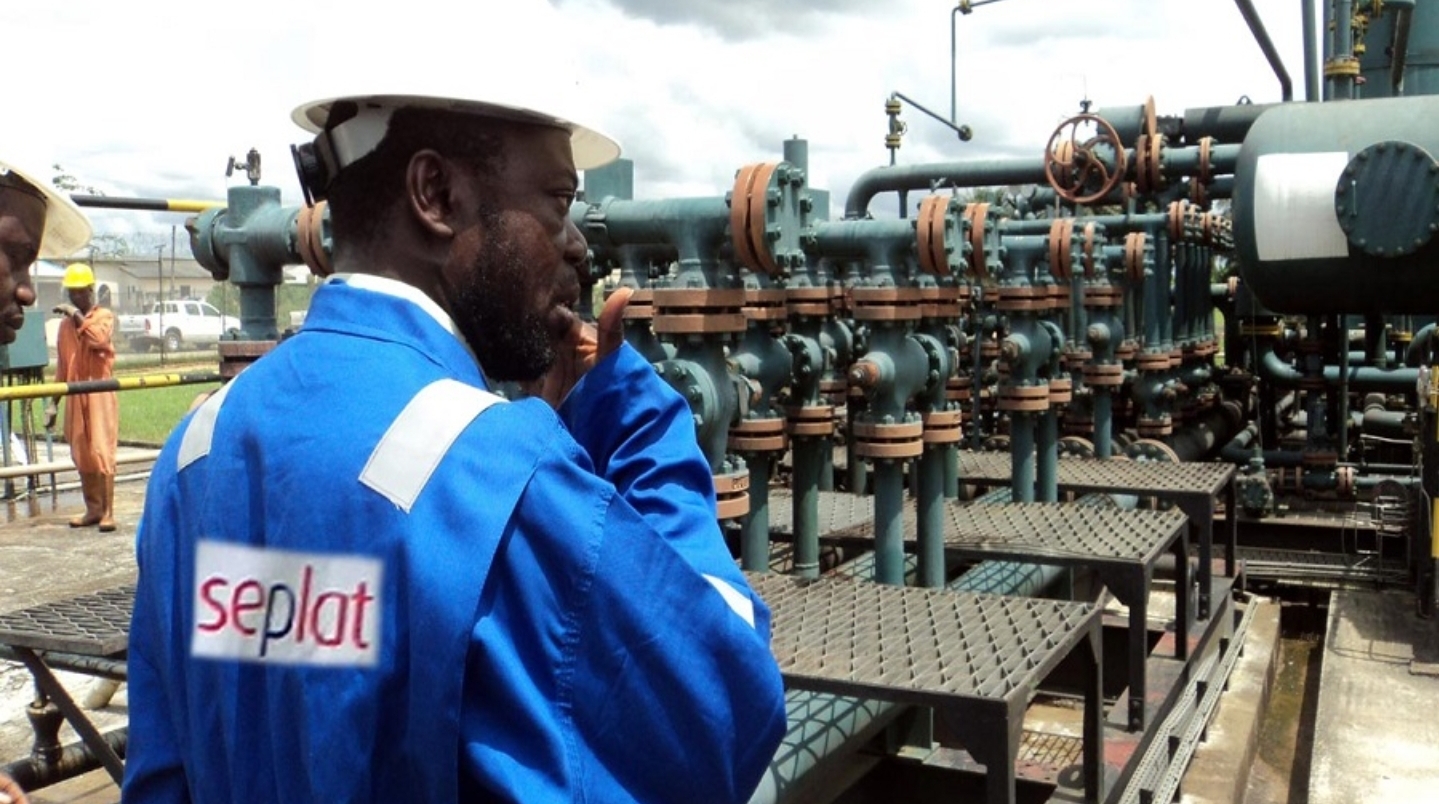

Seplat Energy has confirmed it is in preliminary discussions with the Nigerian National Petroleum Company Limited (NNPC) over a potential acquisition.
The core of this discussion revolves around the possible sale of a 10% stake in the recently enlarged NNPC/SEPNU Joint Venture (JV), a transaction that underscores the evolving landscape of Nigeria’s energy sector.
This update was disclosed in an official filing on the Nigerian Exchange, providing investors and stakeholders with the first clear insight into the company’s medium-term strategy following its landmark acquisition of Mobil Producing Nigeria Unlimited, now renamed Seplat Energy Producing Nigeria Unlimited (SEPNU).
If the two parties can successfully conclude the terms and execute a formal agreement, it would see NNPC holding a 70% stake in the JV, while SEPNU’s interest would settle at 30%.
Crucially, Seplat has confirmed it would maintain its role as the technical operator of the assets, ensuring continuity and leveraging its operational expertise.
While the potential sale is an important sign of collaboration, the discussions remain ongoing and are wholly contingent on reaching a mutually acceptable deal.
Concurrent with the NNPC negotiations, Seplat used its Capital Markets Day to unveil a detailed and highly ambitious five-year plan for the 2026–2030 period, designed to deliver substantial growth and shareholder returns.
The primary operational objective is a radical increase in output. Seplat aims to grow its production by approximately 50% from mid-2025 levels, pushing its total production to around 200,000 barrels of oil equivalent per day (boepd) by the end of the decade.
This expected leap in production is projected to generate significant financial returns for the company. Seplat anticipates that the five-year window will yield a massive US$5–6 billion in cash flow, a figure representing an extraordinary 2.5 to 3 times the cash generated over the previous five-year period.
Fuelled by this financial outlook, the company is preparing for an extensive investment drive. It plans to allocate between US$2.5–3 billion for capital expenditure, a programme that includes drilling an estimated 120 to 150 new wells and sanctioning up to three major gas projects aimed at bolstering Nigeria’s domestic energy supply.
Beyond increasing volume, efficiency is a core pillar of the strategy. Seplat is targeting a sharp reduction in operating costs, aiming to bring down the cost per barrel of oil equivalent from $12.5 to just $10/boe through streamlined operations and the economic benefits of higher production volumes.
The entire expansion plan is robustly supported by a strong balance sheet, with the company expecting its net leverage to remain within a manageable range, assuming crude prices stay comfortably above $50 per barrel. These projections are grounded in long-term assumptions, including a crude price of $65 per barrel.
In a highly attractive move for investors, the company also introduced a progressive new dividend policy. Seplat has committed to returning between 40% and 50% of its Free Cash Flow (FCF) to its shareholders throughout the five-year period.
Assuming favourable crude prices, this policy is forecast to result in cumulative cash dividends reaching an impressive US$1 billion, supported by a guaranteed minimum annual payout equivalent to 20 cents per share.
This demonstrates the company’s confidence in its ability to execute its ambitious growth targets and deliver sustained value to the market. Furthermore, an updated Competent Person’s Report (CPR) independently confirmed the viability of these plans by validating significant increases in the company’s reserves and resources, particularly within the recently acquired offshore assets.