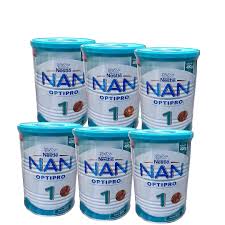

Nigeria’s food and drug regulatory agency has reassured parents and caregivers that all Nestlé infant formula products sold within the country remain safe for consumption and are not part of the latest product recall. The National Agency for Food and Drug Administration and Control (NAFDAC) stepped in to clarify the situation on Monday amid rising public concern following news of a voluntary recall by Nestlé UK of certain formula batches abroad.
In a statement issued by NAFDAC’s Director-General, Professor Mojisola Adeyeye, the agency emphasised that none of the infant formulas marketed in Nigeria are affected by the recall announced in the United Kingdom and other foreign markets. The UK action, which involved specific batches of SMA infant formula and follow-on formula, was taken as a precautionary measure by Nestlé due to the possible presence of cereulide a heat-resistant toxin produced by certain strains of Bacillus cereus that can lead to nausea and vomiting.
Prof Adeyeye explained that the products withdrawn overseas were never registered with NAFDAC and were not authorised for sale in Nigeria. She said the formulas officially sold in Nigeria, including the SMA range produced for the local market, are manufactured at Nestlé’s facility in Tuas, Singapore, and have full regulatory approval from the agency. Among these are SMA Gold 1, SMA Gold 2 and SMA Gold 3, each with registered NAFDAC numbers. In addition, both the SMA and NAN series approved for Nigeria have been verified as outside the scope of the foreign recall.
The regulatory chief reiterated that the alert issued was intended to keep the Nigerian public informed of emerging global food safety issues, even where the likelihood of local exposure is minimal. However, she warned that risks could still arise from unauthorised imports, purchases through unregulated online platforms or products brought into the country by travellers. Adeyeye urged consumers to be vigilant, purchase only from verified sources, and report any concerns immediately to the nearest NAFDAC office or via the agency’s hotline.
To further protect public health, NAFDAC maintains ongoing oversight of food products through rigorous registration processes, routine surveillance and post-market monitoring. Prof Adeyeye underscored the agency’s commitment to ensuring that all infant nutrition products meet approved safety, quality and labelling standards before reaching consumers. “NAFDAC remains fully committed to safeguarding the health of Nigerians, particularly infants and other vulnerable populations,” she said, adding that the agency would take swift regulatory action should any product be found to pose a risk.
The reassurance from NAFDAC follows a similar clarification from Nestlé Nigeria, which also confirmed that its infant formula products sold locally are safe and meet all regulatory requirements. Nestlé Nigeria pointed out that only specific batches distributed in some foreign countries were part of the recall, and that the company’s products available in Nigeria comply with both national and international food safety standards.
For parents and caregivers still anxious about the recall, regulators and manufacturers alike have urged reliance on official sources of information and reminded consumers to discard and report any recalled products should they encounter them in the marketplace.