


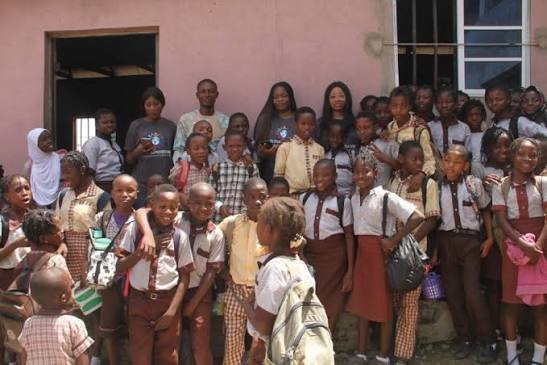

Schools across parts of northern Nigeria began reopening on Monday after months of closure triggered by the abduction of hundreds of students in November, a stark reminder of the ongoing security challenges facing the region. The mass kidnappings, part of a broader pattern of attacks by criminal gangs and Islamist insurgents, have repeatedly disrupted education and highlighted the vulnerability of schools in northern states such as Kaduna and Niger.
The federal government, in a circular issued last month, directed state authorities to reopen schools, citing enhanced security measures. However, details on the specific interventions implemented to protect students and staff were not disclosed. In Kaduna state, some students returned cautiously to classrooms, with parents expressing mixed emotions: relief at the resumption of learning, but ongoing concern over their children’s safety.
Seventeen-year-old Aisha, a student at the Federal Government College in Kaduna, spoke about the difficulty of returning to school after nearly two months away. “What I love most about our school is being together at lunchtime and spending time with my teachers and friends. I missed it so much,” she said before leaving for her boarding school. Her father, Haruna Danjuma, reflected on the challenging decision to send his daughter back, acknowledging the risks but emphasising the importance of education. “A child is a gift from Almighty Allah, and it is my responsibility to educate her,” he said. “But it is the responsibility of the government to secure the children.”
While some schools resumed academic activities, not all institutions reopened. In Niger State, central Nigeria, where over 300 students and staff were abducted in November, many schools remained closed due to ongoing security concerns. Saint Mary’s Catholic School in the Papiri hamlet, for example, will not reopen yet. The Christian Association of Nigeria, citing a statement from the state government, confirmed that schools in high-risk areas will remain closed until conditions improve. Niger State’s commissioner for education, Hadiza Mohammed, stressed that “the safety of students, teachers, and school communities remains paramount,” underscoring the difficult balance authorities face between education continuity and security.
The prolonged closure of schools in northern Nigeria has far-reaching social and economic consequences. Education is a critical driver of human capital development, and disruptions can exacerbate existing inequalities. Students missing months of schooling risk falling behind academically, which can limit their future employment opportunities and reduce overall workforce productivity. In regions already grappling with poverty and instability, prolonged school closures threaten long-term economic growth by constraining the development of skilled labour needed for sectors ranging from agriculture to services.
Moreover, closures carry immediate economic costs for families and communities. Boarding schools, in particular, often require ongoing investment in food, accommodation, and tuition. Interruptions in schooling can place additional financial strain on parents, many of whom already face economic pressures. Small businesses that rely on school-related commerce, such as stationery shops, local food vendors, and transport services, also experience reduced revenue during prolonged closures.
Analysts warn that repeated disruptions to education can have a cumulative effect on the region’s socio-economic stability. When students are out of school for extended periods, they may become more vulnerable to recruitment by criminal gangs or extremist groups, perpetuating cycles of insecurity that further hinder economic development. Education continuity, therefore, is not just a social imperative but a critical component of broader economic resilience and security strategies.
Efforts to reopen schools, while cautious, reflect the government’s recognition of the urgent need to balance security with educational and economic priorities. Enhanced security measures—potentially including increased military or police presence around schools, improved surveillance, and community-based protection initiatives—are intended to reassure parents and students and restore confidence in the education system. However, the effectiveness of these measures remains under scrutiny, especially in regions like Niger State, where many schools will remain closed until conditions are deemed safe.
For northern Nigeria, the reopening of schools marks a tentative step towards normality, but it also highlights the ongoing fragility of the education sector in conflict-affected areas. Ensuring that students can attend school safely and consistently will require not only security interventions but also sustained investment in infrastructure, teacher support, and community engagement. Failure to address these challenges risks not only academic setbacks for a generation of students but also long-term economic costs that could hinder regional development for years to come.
As the school term progresses, parents, educators, and policymakers will be watching closely to see whether the security measures in place are sufficient to protect students, while also assessing the broader implications for economic and social stability in northern Nigeria.


