
Wednesday, September 2, 2026
  • Login
No Result
View All Result
The Business Times
  • News
  • BT Exclusive
  • Economy
  • Business
  • Financial Markets
  • Politics
  • Energy
  • Insights
  • Sports
  • News
  • BT Exclusive
  • Economy
  • Business
  • Financial Markets
  • Politics
  • Energy
  • Insights
  • Sports
No Result
View All Result
The Business Times
No Result
View All Result
Home Economy

Power Subsidies Near ₦2tn as Fiscal Pressure Mounts on FG

byUchechukwu Ejezie
January 8, 2026
in Economy, Energy
0
Power Subsidies Near ₦2tn as Fiscal Pressure Mounts on FG
22
VIEWS
Share on FacebookShare on Twitter

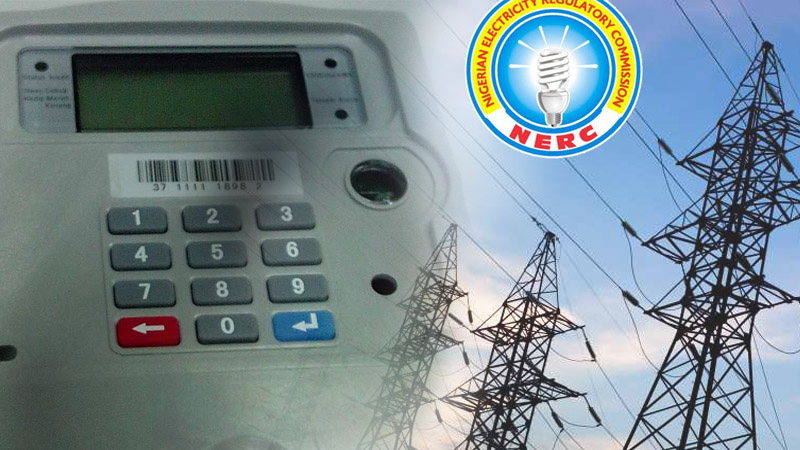
Nigeria’s electricity subsidy bill has risen to nearly ₦2 trillion, intensifying pressure on the Federal Government to reassess power tariffs as fiscal challenges deepen.

Figures released by the Nigerian Electricity Regulatory Commission (NERC) indicate that electricity subsidies amounted to ₦1.98 trillion between October 2024 and September 2025, highlighting the growing cost of maintaining tariffs below cost-reflective levels for most electricity consumers.

A breakdown of NERC’s quarterly reports shows that subsidy payments stood at ₦471.69 billion in the fourth quarter of 2024. This increased to ₦536.4 billion in the first quarter of 2025 before easing slightly to ₦514.35 billion in the second quarter. By the third quarter of 2025, government support for electricity prices remained elevated at ₦458.75 billion.

According to the regulator, the sustained subsidy burden is largely due to the limited scope of tariff adjustments across consumer categories. Although electricity rates for Band A customers were revised upward in April 2024, the majority of users continue to pay subsidised tariffs that fall short of covering the full costs of electricity generation, transmission, and distribution.

The expanding subsidy obligation is adding to existing fiscal pressures, particularly as the Federal Government also grapples with about ₦4 trillion in outstanding legacy debts owed to power generation companies. These arrears have continued to strain liquidity across the Nigerian Electricity Supply Industry, weakening sector performance and investor confidence.

Minister of Power Adebayo Adelabu has repeatedly described the current subsidy regime as unsustainable, calling for a transition to a more targeted support system that shields low-income and vulnerable households while reducing broad-based subsidies.

He has also supported further tariff adjustments as part of efforts to stabilise the sector and limit the government’s fiscal exposure.

To address liquidity constraints, the Federal Government in December 2025 introduced a ₦4 trillion bond programme aimed at settling legacy power-sector debts. However, details regarding investor uptake and disbursement timelines remain unclear.

Analysts warn that without deeper structural reforms, including tariff realignment and targeted subsidies, the rising cost of electricity support could further pressure Nigeria’s public finances.

Tags: EnergyNERCSubsidies
Uchechukwu Ejezie

Uchechukwu Ejezie

Next Post
NERC and NMDPRA Pledge Stronger Collaboration for National Energy Security

NERC and NMDPRA Pledge Stronger Collaboration for National Energy Security

Leave a Reply Cancel reply

Your email address will not be published. Required fields are marked *

Recommended

Africa’s Development Divide: The Critical Link Between Health and Prosperity

Africa’s Development Divide: The Critical Link Between Health and Prosperity

11 months ago
ECOWAS Intervention Frees Nigerian Onion Trucks Detained in Ghana

ECOWAS Intervention Frees Nigerian Onion Trucks Detained in Ghana

1 month ago

Popular News

  • Uber Exits Nigeria, Uganda After 12 Years as Global Restructuring Cuts 3,300 Jobs

    Uber Exits Nigeria, Uganda After 12 Years as Global Restructuring Cuts 3,300 Jobs

    0 shares
    Share 0 Tweet 0
  • OPay Seeks DSS, Police Probe Over Viral Shutdown Rumour

    0 shares
    Share 0 Tweet 0
  • Navy Hands Over 19 Bags of Suspected Cannabis to NDLEA in Anambra

    0 shares
    Share 0 Tweet 0
  • Nigeria’s ‘Cheap’ Economy Disappears as Food, Rent and Fuel Costs Surge

    0 shares
    Share 0 Tweet 0
  • Nigeria’s Logistics Sector, A $15bn Opportunity or a N5tn Drain?

    0 shares
    Share 0 Tweet 0

Connect with us

Facebook Twitter Instagram TikTok

Newsletter

Pages

  • About Page
  • Contact
  • Domestic Gas Sales Rise 30% as Nigeria’s Energy Reforms Gain Traction
  • Privacy Policy
  • Terms & Conditions

Navigation

  • News
  • BT Exclusive
  • Economy
  • Business
  • Financial Markets
  • Politics
  • Energy
  • Insights
  • Sports

© 2025 The Business Times NG .

Welcome Back!

OR

Login to your account below

Forgotten Password?

Retrieve your password

Please enter your username or email address to reset your password.

Log In
No Result
View All Result
  • Home
  • News
  • BT Exclusive
  • Economy
  • Business
  • Financial Markets
  • Politics
  • Energy
  • Insights
  • Sports

© 2025 The Business Times NG .