
Electricity distribution companies in Nigeria reported a significant increase in revenue for the third quarter of 2025, according to the latest industry figures from the Nigerian Electricity Regulatory Commission (NERC). The firms, commonly called DisCos, collected N570.25 billion across the quarter, showing improved performance in billing and revenue recovery compared with earlier in the year.
The regulator’s third quarter report, released this week, shows that DisCos billed a total of N706.61 billion to customers between July and September 2025. Of this amount, the companies successfully recovered N570.25 billion, equivalent to a collection efficiency of about 80.7%. This represents a notable increase from the second quarter of 2025, when collection efficiency was recorded at around 76.07%.
Improved revenue performance has been attributed to stronger billing practices and better enforcement of payment discipline, according to NERC. The latest figures suggest that DisCos are gradually narrowing the gap between the amount billed and the amount collected, partly through efforts to address longstanding challenges in the sector.
Despite the progress, there remains a substantial shortfall between billed and collected revenue. Around N136.36 billion of the amounts billed in the quarter were not recovered, indicating persistent issues with energy theft, unpaid bills and other losses that continue to affect the financial health of the power distribution segment.
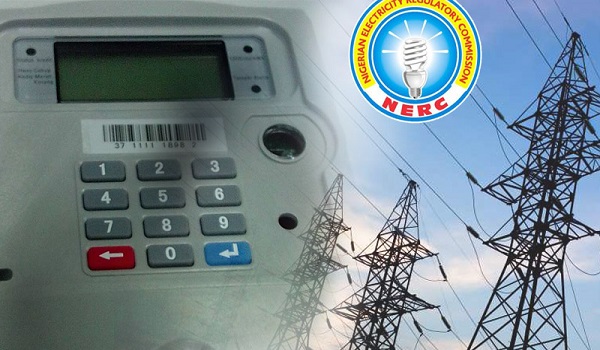
In addition to stronger revenue collection, DisCos also reported progress in reducing the metering deficit that has long plagued the industry. During the reporting period, a total of 228,614 electricity meters were installed nationwide. That figure was slightly higher than the 226,959 meters installed in the previous quarter, representing a modest increase in metering activity.
Under the Meter Asset Provider (MAP) framework, which aims to accelerate the supply and installation of prepaid meters, 176,302 meters were put in place during the quarter. A further 44,104 meters were installed through vendor-financed schemes, while 7,902 meters were installed under the Distribution Sector Recovery Programme. Smaller numbers of meters were also added through the Meter Acquisition Fund and DisCo-financed frameworks.
By the end of September 2025, NERC said that about 6.66 million out of more than 12 million registered electricity customers had been fitted with meters, meaning around 55% of consumers nationwide were metered. The regulator highlighted that the continued expansion of metering is crucial to improving billing accuracy and reducing disputes over estimated consumption.
To protect unmetered customers from unfair billing, NERC has maintained a system of energy caps, setting maximum amounts that can be charged on feeders without meters based on energy received and consumption patterns among metered customers.
Industry analysts say that while the improvements in revenue collection and meter roll-out are encouraging, more needs to be done to fully address structural weaknesses in Nigeria’s electricity supply industry. Efficient billing, reduced losses, and wider deployment of meters are seen as key to ensuring financial sustainability and more reliable power for consumers.