


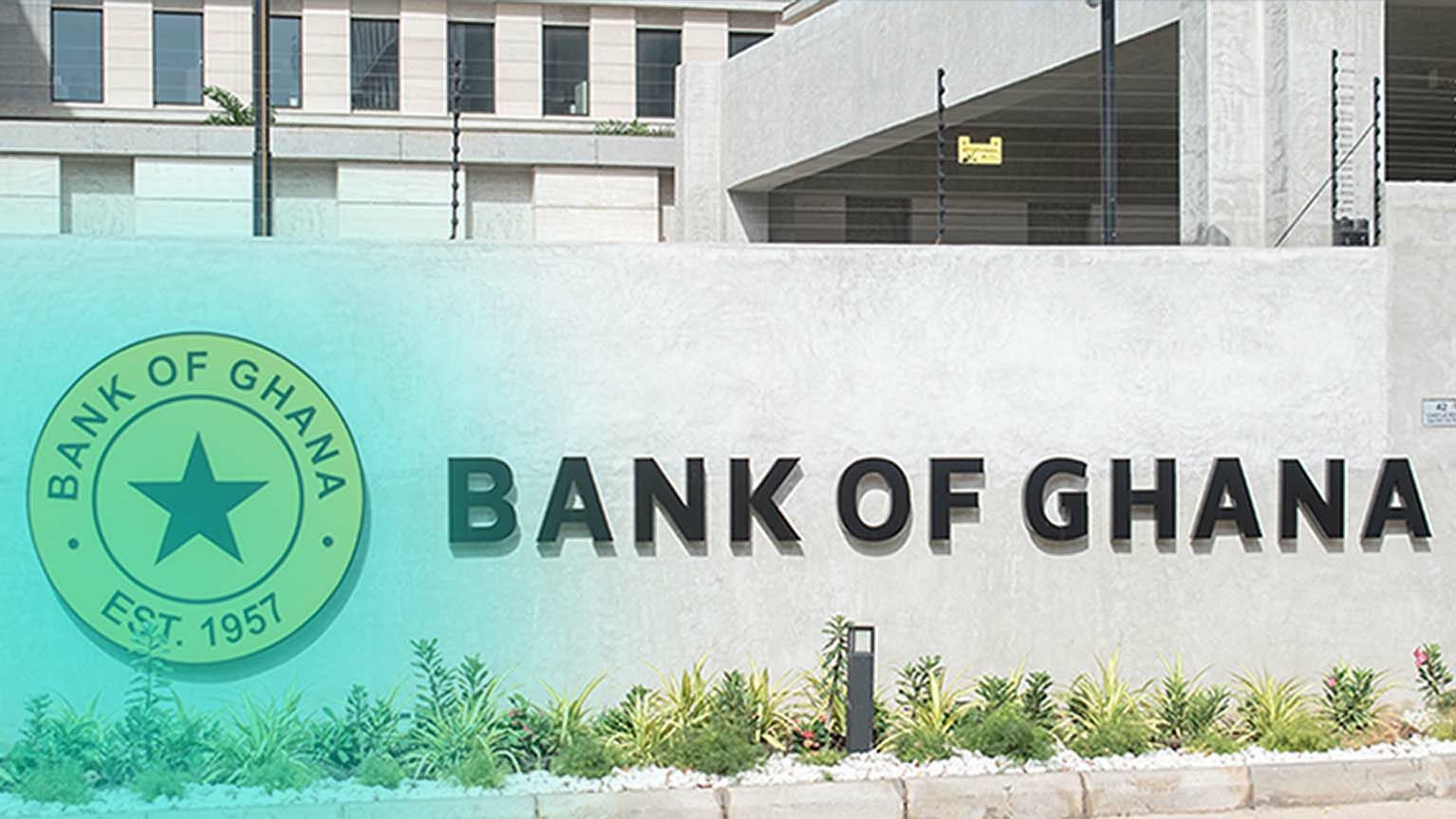

The Bank of Ghana (BoG) plans to sell up to $1 billion to the foreign exchange market in January 2026 under its Foreign Exchange Intermediation Programme, in a move aimed at managing volatility while preserving a flexible, market-determined exchange rate.
According to a communication to market operators seen by JoyBusiness, the central bank said the planned FX sales will be conducted in line with its newly approved Foreign Exchange Operations Framework and aligned with its reserve accumulation objectives. The programme is designed to smooth excessive fluctuations in the cedi without resorting to rigid exchange rate controls, a balance that Ghanaian authorities have increasingly emphasised following years of currency instability.
Under the January programme, the BoG will intervene through open market auctions, with the scale and frequency of future interventions to be determined by prevailing market conditions. The central bank stressed that it remains committed to transparency and will continue to disclose details of its foreign exchange activities to market participants.
The announcement builds on similar interventions carried out in December 2025, when the BoG sold $721 million through twice-weekly open auctions, slightly below a planned $800 million. Those interventions were widely credited with supporting the cedi’s strong performance toward the end of the year, helping to anchor market expectations and improve liquidity in the FX market.
Market analysts say the Foreign Exchange Intermediation Programme played a key role in the cedi’s remarkable turnaround in 2025. After years of sharp depreciation, the Ghanaian currency appreciated by 40.67% against the US dollar over the year, making it one of the strongest-performing currencies globally. The rebound reflected a combination of tighter monetary policy, improved fiscal discipline, progress under Ghana’s IMF-supported programme, and more credible FX market management by the central bank.
A distinctive feature of the BoG’s current FX strategy is its reliance on inflows from the Domestic Gold Purchase Programme. Under this initiative, the central bank purchases gold from domestic producers, paying in cedis, and then leverages the accumulated gold to bolster reserves and support FX supply. This approach has reduced reliance on external borrowing or short-term capital inflows to stabilise the currency, helping to strengthen Ghana’s external buffers.
By linking FX interventions to gold-backed reserve accumulation, the BoG is attempting to address a long-standing vulnerability in Ghana’s macroeconomic framework: limited foreign exchange buffers in the face of external shocks. In previous cycles, heavy FX intervention often depleted reserves rapidly, undermining confidence and exacerbating currency pressures. The current framework is intended to avoid that trap by ensuring that FX sales are consistent with reserve sustainability.
The January 2026 FX sales also come at a sensitive moment for Ghana’s economy. While macroeconomic indicators have improved, inflation remains elevated, and households continue to grapple with the lingering effects of past currency depreciation on prices and purchasing power. A stable cedi is therefore critical not only for investor confidence but also for easing imported inflation, given Ghana’s dependence on imported fuel, food and industrial inputs.
For businesses, particularly manufacturers and importers, predictable access to foreign exchange at market-reflective rates is essential for planning and cost management. Excessive volatility in the FX market can disrupt supply chains, delay investment decisions and raise the cost of doing business. By signalling its intervention plans in advance, the BoG is seeking to reduce uncertainty and discourage speculative behaviour.
However, analysts caution that FX interventions are not a substitute for underlying structural reforms. Sustaining currency stability over the medium term will depend on continued fiscal consolidation, export diversification and productivity improvements. While gold inflows have provided near-term support, Ghana’s external position remains exposed to commodity price swings and global financial conditions.
There are also questions about how long the central bank can maintain large-scale FX sales without creating market dependence. Some economists argue that clear exit criteria and consistent communication will be essential to ensure that the market continues to price risk appropriately, rather than relying on central bank support.
For now, the BoG’s planned $1 billion intervention in January signals confidence in its policy framework and a willingness to act decisively to preserve recent gains. As Ghana enters 2026, the challenge for policymakers will be to consolidate the cedi’s recovery while ensuring that FX management remains transparent, rules-based and supportive of long-term economic stability.


