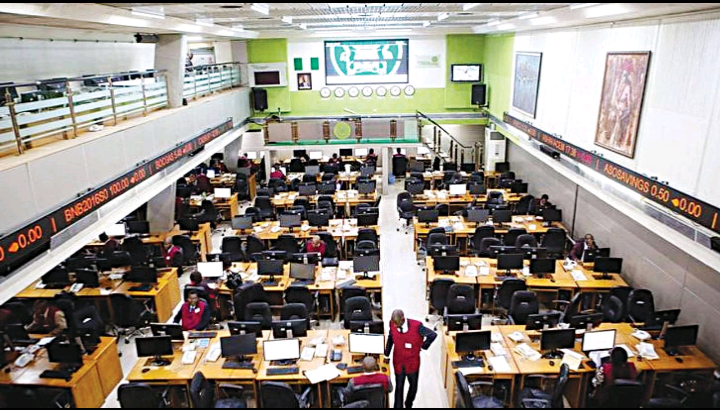

Nigeria’s equity market ended the year 2025 on a historic high, rewarding investors with remarkable returns and a substantial increase in market value. The Nigerian Exchange (NGX) delivered an outstanding performance, with overall market worth rising sharply compared with the previous year.
In 2025, the Nigerian equities space attracted significant attention from both retail and institutional investors, pushing the All-Share Index (ASI) higher and drawing fresh inflows into the market. According to official figures, the total market value climbed from ₦62.76 trillion at the end of 2024 to about ₦99.4 trillion at the close of 2025, representing a gain of ₦36.62 trillion over 12 months.
Market watchers have described 2025 as one of the best years for Nigerian stocks in recent memory, with the ASI up 51.19% year-to-date, far outpacing many other asset classes and beating the 37.65% gain recorded in the previous year. This surge offered strong returns to investors who maintained long positions or entered the market early in the year.
Several factors contributed to the rally, including increased confidence in domestic economic policies, improved corporate earnings from key listed companies, and renewed interest among foreign portfolio investors seeking higher yields. Analysts also pointed to enhanced market structures and broader access to digital trading platforms, which helped deepen liquidity across segments.
Speaking about the impressive run, Temi Popoola, Group Managing Director and Chief Executive Officer of the Nigerian Exchange Group (NGX Group), highlighted the market’s capacity to withstand pressures. “This performance underscores the importance of policy consistency, purposeful reforms, and strategic collaboration in strengthening investor confidence and sustaining market growth,” he said.
Popoola underscored that reforms aimed at enhancing operational transparency, broadening investor participation, and leveraging technology helped solidify the gains seen throughout the year. He emphasized that the NGX was working to sustain the momentum into 2026 by building stronger linkages with the broader financial ecosystem.
Market experts noted that equities appealed to investors even as yields on fixed-income instruments remained attractive, especially with interest rates relatively high for much of the year. Appreciation in selected blue-chip stocks, combined with strong performances in consumer goods, industrial, and financial sectors, reinforced the positive sentiment on the bourse.
Lizzie Kings-Wali, Chief Executive Officer of 4Stone Capital Limited, offered her perspective on valuations and opportunities ahead, noting that some stocks remained undervalued relative to peers in other emerging markets. She also highlighted the potential for consumer-oriented companies to benefit from anticipated improvements in inflation and purchasing power.
Despite the strong gains, some investors remain cautious. Macroeconomic headwinds, including inflationary pressures, currency fluctuations, and fiscal deficits, continue to pose risks to sustained growth. However, the stock market’s performance in 2025 is widely seen as a beacon for confidence in Nigeria’s economic trajectory.
“This performance underscores the importance of policy consistency, purposeful reforms, and strategic collaboration in strengthening investor confidence and sustaining market growth,” was one of the key remarks made by NGX leadership that highlighted confidence in the market’s resilience.
Nigeria’s stock boom coincided with broader economic improvements, including a stronger naira that gained over ₦100 against the US dollar in 2025, supported by rising external reserves and policy reforms. These macro factors bolstered investor confidence, reducing exchange-rate risks and reinforcing equity market attractiveness amid steady GDP growth.
Looking ahead, analysts and market participants are optimistic that with continued policy clarity, improved corporate governance, and deeper capital-market reforms, Nigerian equities could remain a compelling investment destination in 2026 and beyond.