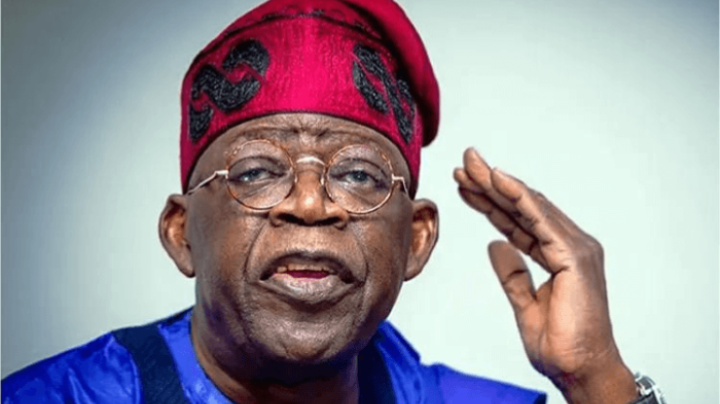

President Bola Ahmed Tinubu has confirmed that Nigeria’s newly enacted tax laws will go into force as scheduled, kicking off a major overhaul of the country’s fiscal system. The reforms, which include several acts that already started earlier in the year and others set to begin January 1, 2026, are central to the government’s strategy for strengthening Nigeria’s revenue base and boosting long-term economic stability.
In a statement issued from the nation’s capital, the President reiterated the government’s commitment to implementing each aspect of the comprehensive tax reform package. “The new tax laws, including those that took effect on June 26, 2025, and the remaining acts scheduled to commence on January 1, 2026, will continue as planned,” he stressed.
These laws represent a significant shift in Nigeria’s tax framework. They include the Nigeria Tax Act, the Nigeria Tax Administration Procedures Act, and related bills that together replace and consolidate decades-old statutes. The reforms are designed to modernise tax administration, broaden the tax base, harmonise conflicting regulations, and strengthen enforcement mechanisms.
Despite government assurances, the announcement has reignited debates across political and civil society circles. Opposition parties and critics have called for a suspension of the laws’ launch, arguing that discrepancies between the versions passed by the National Assembly and the ones later gazetted have raised serious concerns. Some opponents have labelled portions of the legislation as hasty or poorly explained, and have urged a full review before implementation.
In response, the Presidency has dismissed these calls and rejected claims that unapproved provisions were slipped into the laws. Authorities insist the enacted versions are valid, and that there is no substantive legal issue that would justify delaying the rollout.
President Tinubu underscored the government’s view that the reforms will create a fairer and more competitive fiscal framework. “These reforms are a once-in-a-generation opportunity to build a fair, competitive, and robust fiscal foundation for our country,” he said, adding that the laws are not intended merely “to raise taxes, but rather to support a structural reset, drive harmonisation, and protect dignity while strengthening the social contract.”
To help in the transition, the government has established a National Tax Policy Implementation Committee tasked with guiding the effective rollout of the new regime. This body includes representatives from the finance ministry and other key stakeholders, aimed at ensuring a coordinated approach to implementation across all levels of government.
The new laws also bring practical changes that affect individuals and businesses. Banks, for example, will be required to report accounts with quarterly turnovers above a defined threshold to tax authorities, and taxpayers are encouraged to ensure they hold valid Tax Identification Numbers to comply with the updated regulations.
Supporters of the reforms argue that they will modernise Nigeria’s tax system and reduce longstanding inefficiencies. The harmonisation of tax laws and procedures is expected to cut administrative bottlenecks, eliminate overlapping tax liabilities, and make compliance clearer for both domestic and international businesses.
However, some analysts and business groups warn of potential challenges. Changes such as increased capital gains tax rates and new compliance requirements could strain investment activity and raise concerns about capital flight if not carefully managed.