
Nigeria has taken a major step toward upgrading its transportation infrastructure with the securing of a $1.2 billion financing package backed by the United Arab Emirates (UAE) to push forward construction on a crucial segment of the Lagos–Calabar Coastal Highway.
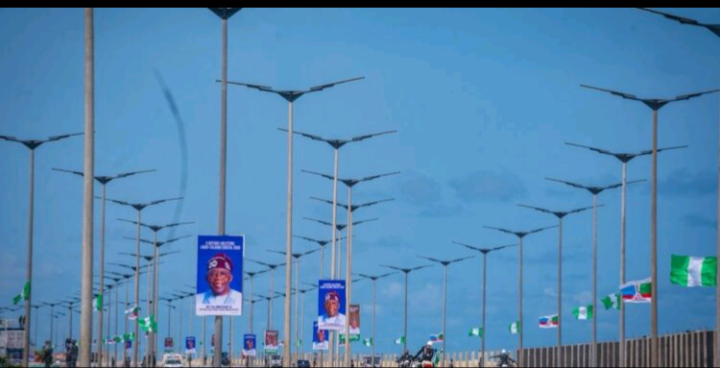
The federal government confirmed that this new funding will be directed toward a 56-kilometre stretch of the coastal highway, a flagship infrastructure initiative expected to eventually span roughly 700 km along Nigeria’s southern shoreline. When finished, the route will knit together key economic hubs, slash travel times, and expand logistical capacity along the Atlantic corridor.
The Presidency, in a statement, said this financing milestone ensures that progress on the project continues without disruption. The investment is part of an ongoing series of funding arrangements, building on an earlier $747 million loan secured for another section of the highway earlier in 2025.
“This is a major achievement, and closing this transaction means the Lagos–Calabar Coastal Highway will continue unimpeded,” President Bola Tinubu said. The government also emphasized plans to pursue innovative financing solutions to bridge Nigeria’s large infrastructure gap.
The loan structure features participation from a consortium of international and regional financial institutions. Leading the underwriting is First Abu Dhabi Bank, supported by the Islamic Corporation for the Insurance of Investment and Export Credit (ICIEC), which provided risk mitigation. Other participating lenders include Afreximbank, the ECOWAS Bank for Investment and Development, Nexent Bank, and Nigeria’s Zenith Bank.
Construction on this segment is already well underway, with significant progress reported, and the project is being executed by Hitech Construction Company using durable pavement technology designed to last decades with minimal maintenance.
A Transformative Corridor
The Lagos–Calabar Coastal Highway isn’t just another road project—it’s envisioned as a backbone for enhanced trade, tourism, and regional integration across southern Nigeria. By drastically cutting travel times between Lagos and southeastern states, the route could accelerate economic activity along the coast, improve freight and logistics efficiency, and deepen market linkages for businesses and industries.
Economically, successful delivery of the highway is expected to spur investment inflows, create jobs, and unlock productivity gains across sectors tied to transportation, commerce, and construction. Expanded connectivity may also encourage greater participation in cross-border trade and help integrate Nigeria more fully into regional supply chains.
What Leaders Are Saying
President Tinubu and senior officials argue that the project represents growing international confidence in Nigeria’s reform agenda and capacity to attract large-scale infrastructure financing. They describe the highway as central to national development plans, offering long-term benefits for logistics, mobility, and economic competitiveness.
“This transaction showcases our commitment to sustainable, transparent, and catalytic infrastructure financing,” the Minister of Finance said, pointing to improved investor sentiment following regulatory and economic reforms.
With this latest backing, Nigeria moves closer to realizing one of its most ambitious transport visions, enabling smoother movement of people and goods across a vast and strategically vital coastal region.