
Lagos State stands on the brink of a major fiscal breakthrough with the potential to collect ₦1 trillion annually from property taxes, tax reform experts say, in what could significantly strengthen the state’s finances and support long-term economic growth.
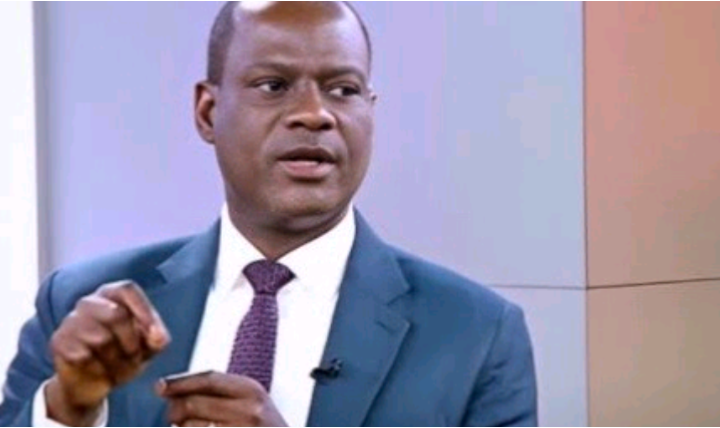
At the Tax Reform Summit 2026 on Tuesday, Mr. Taiwo Oyedele, Chairman of the Presidential Fiscal Policy and Tax Reforms Committee, outlined how Lagos, already Nigeria’s most economically active state, could turn under-utilised property levies into a stable and predictable revenue stream.
According to Oyedele, property taxation remains “one of the most underutilised yet stable revenue sources available to states and local governments,” yet it has huge unrealised potential in Lagos.
He explained that if about two million properties in the state, each with an average value of ₦100 million were properly registered, valued and taxed at a modest rate of 0.5 per cent, the result could be roughly ₦1 trillion in revenue every year.
Data and Systems: The Key to Unlocking Revenue
Oyedele told delegates that accurate property data, transparent valuation methods and efficient tax systems are critical to unlocking this potential. Without them, significant revenue will remain untapped.
“Data is critical, a credible database of taxpayers, and not just taxpayers. The value of property is part of your tax base,” he said, underscoring the importance of a reliable property register.
He urged Lagos State to demonstrate leadership in data quality and tax administration, particularly in harmonising revenue operations across government agencies and adopting modern technologies that make compliance easier for property owners.
Complementing Lagos’ Economic Strength
The push to expand property taxation comes as Lagos continues to drive Nigeria’s economic engine. The state generated around ₦1.3 trillion in internally generated revenue (IGR) in 2024, a notable 45 per cent increase compared with the previous year, with properties now part of a growing tax base.
Property-related taxes such as the Land Use Charge accounted for over ₦14 billion of that total, marking a 37 per cent jump compared with the year before, thanks in part to an aggressive enumeration of more than 800,000 properties.
Strengthening property tax collection would diversify Lagos’ revenue mix beyond consumption and federal allocations and help the state fund infrastructure, education, healthcare and other key services without over-reliance on borrowing.
Challenges and Next Steps
While the numbers are promising, tax experts note several hurdles remain. Lagos must continue to build comprehensive property databases, refine valuation techniques, and ensure clear and enforceable legal frameworks that reduce disputes and corruption.
Oyedele also highlighted the need for harmonised tax laws and stronger collaboration between state and local governments, a move some other states have already made with a model tax harmonisation law.
Furthermore, improving public trust through transparent use of tax revenue is essential. When residents see their contributions translated into better roads, water systems and services, compliance tends to rise.
If Lagos implements these reforms successfully, property tax could become a cornerstone of fiscal sustainability, enabling the state to support its rapidly growing population and booming real estate market. Economists say tapping this source could help Lagos better absorb economic shocks and reduce its dependence on volatile revenue streams, supporting stable growth in Africa’s most dynamic urban economy.
Analysts believe that as Nigeria’s broader tax system evolves, Lagos’ success in property taxation could serve as a blueprint for other states seeking to expand their revenue bases and strengthen local economic development.