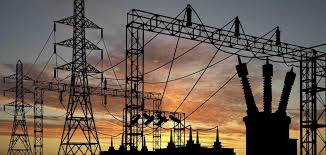

Nigeria’s new Electricity Act 2023 was meant to open a fresh chapter in the nation’s long-standing struggle to provide reliable power. The law gives state governments the legal authority to regulate electricity markets within their borders, and to decide how they will generate, transmit and distribute electricity locally. It was expected that this change would accelerate improvements in energy supply, attract investment and reduce the chronic power deficits that hurt businesses and households. But more than two years after the law came into force, progress has been slower than many hoped, with most states moving cautiously on taking control of their power sectors.
The Electricity Act allows states to apply to the Nigerian Electricity Regulatory Commission (NERC) to take over regulatory oversight of electricity in their territory. A state must notify NERC and obtain what is called a “transfer order” before it can set up its own regulator and begin operating a state-level electricity market. So far, 15 states have received transfer orders, but only eight of those appear to be fully operational after completing the required transition period.
Officials from NERC say that the slow pace reflects the effort and resources needed to take on electricity regulation effectively. Unlike the previous centralised system, where NERC alone set rules and supervised the entire country’s electricity market, states must now build their own regulatory institutions, hire staff, develop rules and, in some cases, establish local power markets from scratch. This is a complex task that requires skilled regulators, detailed planning and significant funding.
Legal experts say the law’s permissive nature helps explain why some states are hesitant. The Electricity Act does not compel states to take action; it simply gives them the choice to do so. With no requirement to move forward, many governments are choosing to wait and see how early adopters fare before they commit their own resources. Ayodele Oni, a partner at Bloomfield Law, explained that states must first carry out detailed power audits, draft policies and make careful preparations before they can regulate their own electricity markets. Without this groundwork, it is difficult to launch and sustain market operations.
Getting private investors on board is another major challenge. Most states do not have strong revenue bases, and many residents and businesses struggle to pay tariffs that cover the full cost of electricity. Investors are unlikely to commit capital unless they are confident they can recover their costs. This makes wealthier states such as Lagos, which has a larger economy and potentially stronger demand, more attractive than poorer states with limited ability to pay for electricity.
A further complication is the issue of subsidies. Nigeria’s electricity supply industry has for years relied on federal subsidies to keep tariffs low for consumers. If the federal government stops paying these subsidies, states that take on regulatory responsibility will face a difficult choice: either enforce cost-reflective tariffs that customers may resist, or find funds themselves to maintain subsidies. Many states are reportedly unprepared for either option, and this has contributed to the cautious approach.
Power sector analysts also point to the sheer scale of the task. Setting up and running an electricity regulator is expensive and requires skilled personnel able to manage tariffs, licensing, market operations and compliance. Without adequate funding and human capacity, states risk creating regulatory bodies that struggle to perform their duties effectively. These concerns are heightened by the fact that many states are still in the early planning stages, even after securing transfer orders from NERC.
Critics of the decentralisation argue that without addressing deeper structural issues in Nigeria’s electricity sector, simply shifting regulatory responsibility to states may not improve service. Kola Adesina, Managing Director of Sahara Power Group, has said that many states lack the financial and technical capacity to build and maintain electricity infrastructure. He warns that giving autonomy without strengthening institutional capacity could spread inefficiencies rather than eliminate them.
There are also fears that a fragmented regulatory landscape could create confusion for investors and consumers alike. Independent power producers, distribution companies and other market participants may face different rules and standards across states, increasing compliance costs and complicating regional operations. Ensuring coordination between state regulators and the federal government remains a significant challenge as the process unfolds.
Despite these hurdles, some states have shown early signs of progress. A handful have passed enabling laws, set up regulatory commissions and started engaging with private partners about local generation and distribution projects. Advocates argue that if these early adopters succeed in improving supply and attracting investment, they could set a template for others to follow.
However, advocates and analysts alike agree that the transition will take time. Shifting from a centralised national system to a decentralised model with multiple state regulators requires careful coordination, long-term investment and capacity building at all levels. For many states, the priority remains preparing adequately before plunging into full regulatory autonomy.
In the meantime, the cautious stance of many state governments reflects both the potential and the complexity of the reforms. While the Electricity Act 2023 offers a framework for a more localised, responsive approach to power regulation, realising its promise depends on states’ readiness to finance, staff and manage their new responsibilities. Whether this model will lead to better electricity access and reliability remains uncertain, but what is clear is that significant work lies ahead before decentralisation translates into tangible improvements in power supply for Nigerians.