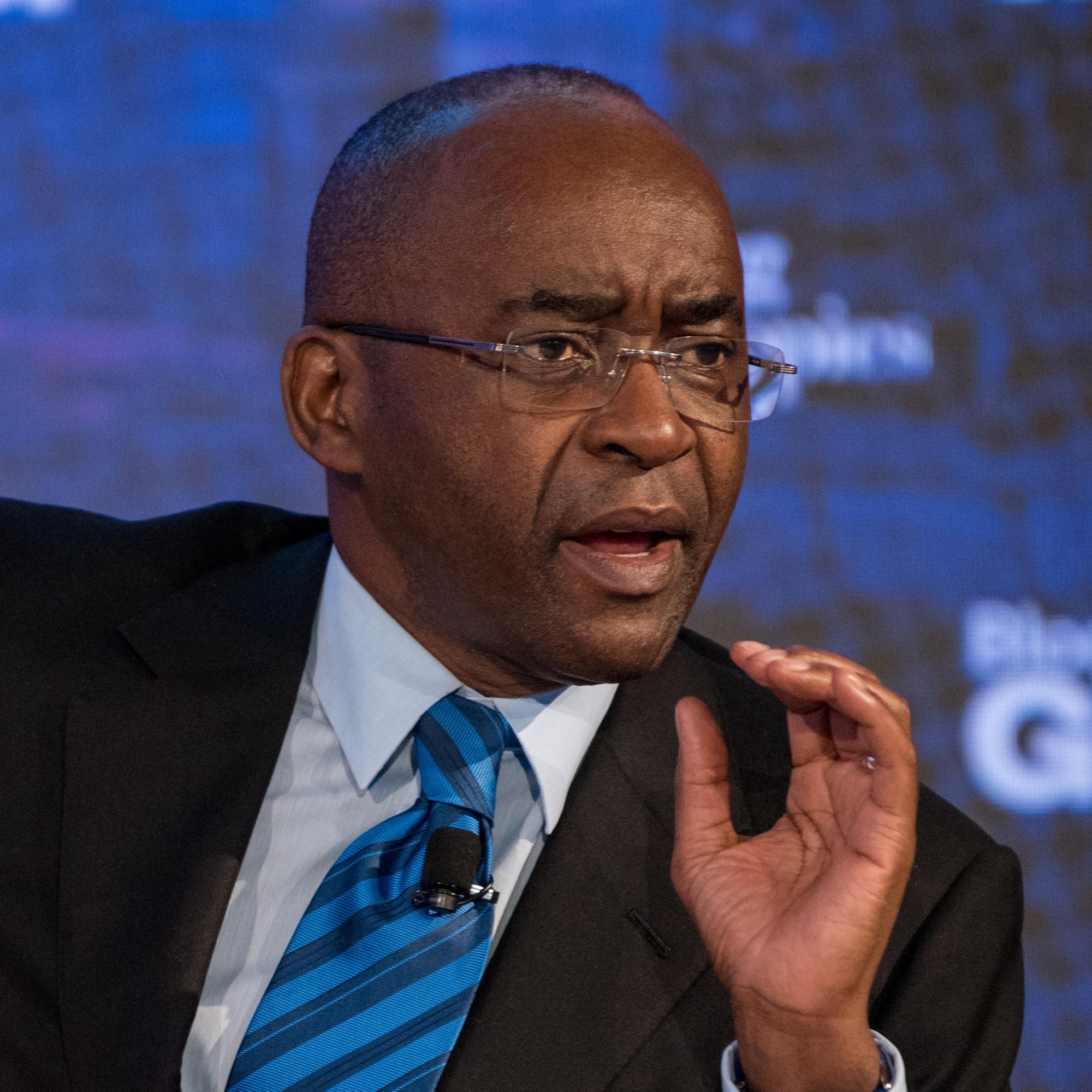

Econet Wireless Zimbabwe Limited, the flagship telecoms company controlled by Zimbabwe’s richest man, Strive Masiyiwa, is preparing to voluntarily delist from the Zimbabwe Stock Exchange (ZSE), marking a major strategic shift for one of the country’s most prominent publicly traded companies.
The move brings to a close Econet’s long tenure on the local bourse and reflects growing frustration over persistent undervaluation in Zimbabwe’s capital markets.
Econet’s board said the decision follows years of trading at a steep discount compared with telecom operators across Africa. While many peers on the continent have successfully unlocked value by separating and monetizing their tower infrastructure, often trading at six to eight times enterprise value to EBITDA, Econet retained ownership of its towers and other passive assets. In Zimbabwe’s volatile local-currency market, investors struggled to properly value this structure, leaving the company’s market price far below what management believes reflects its true worth.
The proposed delisting will be presented to shareholders for approval in line with ZSE regulations. Ahead of the exit, Econet plans to make a voluntary exit offer, giving shareholders who prefer not to remain invested in an unlisted company the option to cash out or receive partial settlement in shares of a new infrastructure-focused subsidiary.
Central to the restructuring is the creation of Econet Infrastructure Company Limited, which will hold the group’s telecom towers, real estate, and power assets. The separation mirrors global telecom best practice, where passive infrastructure is carved out into standalone “tower companies” to improve transparency and valuation. Econet will retain a 70 percent stake in the new entity, while up to 30 percent of its shares will be allocated to shareholders who choose equity instead of cash under the exit offer.
To ensure fairness, the value of the infrastructure business will be determined by an independent valuation expert. Econet plans to list the new infrastructure company by way of introduction on the Victoria Falls Stock Exchange (VFEX), Zimbabwe’s U.S. dollar–denominated exchange, which has increasingly attracted companies seeking more stable pricing and access to offshore capital.
Once the delisting is completed, Econet Wireless Zimbabwe shares will no longer trade on the ZSE and will instead change hands privately, subject to company law and reinstated pre-emption rights among existing shareholders. The shift highlights a broader trend across Africa, where large corporates are reassessing listings on local exchanges that struggle to efficiently price assets, while turning to alternative platforms better suited to their capital and currency needs.
For shareholders, the restructuring offers a clearer set of choices: exit the investment now, or remain invested in a leaner telecom operator while also holding exposure to a separately listed infrastructure business. For Masiyiwa, the move reinforces his long-standing view that African companies must adapt their structures creatively to unlock value in imperfect and often constrained markets.
The delisting does not signal a retreat from Zimbabwe. Rather, it represents a strategic reset for a company that has been central to the country’s digital economy for more than two decades. Founded by Masiyiwa in 1998 after a landmark legal battle to liberalize the telecom sector, Econet has grown into Zimbabwe’s dominant mobile operator, serving more than 14 million subscribers and commanding significant shares of the voice and data markets. Through Econet Global, Masiyiwa controls roughly 47.5 percent of Econet Wireless Zimbabwe.
Beyond its home market, Econet has evolved into a pan-African and international telecom group, with operations and investments spanning more than 20 countries across Africa, Europe, South America, and East Asia. While the Zimbabwe unit remains the group’s anchor, economic instability and structural limitations of the local market have increasingly constrained how that value is reflected on the ZSE.
By stepping away from the local bourse and separating infrastructure assets, Masiyiwa is betting that a cleaner corporate structure and access to a dollar-based exchange will finally allow investors to see and price the full value of one of Zimbabwe’s most important companies.