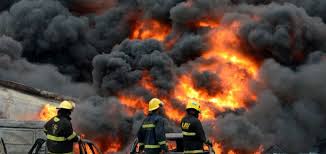

Nigeria’s state-owned oil company, NNPC Ltd, has confirmed that an explosion on the Escravos–Lagos gas pipeline on 10 December has disrupted operations and prompted an immediate emergency response. The blast occurred near the Tebijor, Okpele and Ikpopo communities in Delta State, in Nigeria’s oil-rich Niger Delta region, the company said. Preliminary assessments indicated a pressure drop along the pipeline, consistent with a loss of containment, though the company has not disclosed the full extent of the damage or reported any casualties.
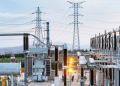
The Escravos–Lagos pipeline, with a daily capacity of approximately 2.2 billion cubic feet, forms a central part of Nigeria’s gas infrastructure. It transports natural gas from the Escravos gas processing facilities in Delta State to industrial hubs and power generation plants across the southwest, including Lagos, the nation’s commercial capital. Any disruption to its operations can therefore have immediate consequences for electricity supply, industrial activity and overall economic stability.
Electricity in Nigeria relies heavily on gas-fired generation, accounting for more than 80 percent of the country’s grid-based power production. Past pipeline disruptions have frequently resulted in reduced power output, leaving industrial operators and households to contend with rolling blackouts. Given the scale of the Escravos–Lagos pipeline, the current incident could exacerbate Nigeria’s persistent energy deficit, affecting manufacturing operations, water supply systems, and the broader commercial sector that depends on reliable electricity.
Experts warn that interruptions in gas supply can also have wider economic repercussions. Industries ranging from cement and food processing to petrochemicals rely on a stable and affordable energy supply. A slowdown in production caused by power shortages could raise the cost of goods and services, undermine export competitiveness, and potentially trigger short-term inflationary pressures. This comes at a time when Nigeria is already grappling with macroeconomic challenges, including currency volatility, high energy prices and lingering post-pandemic recovery pressures.
NNPC has stated that the cause of the explosion remains under investigation. Emergency response teams have been deployed to contain any further risk and to assess the scale of the damage. The company is coordinating with local authorities and community leaders to manage the situation and ensure safety along the pipeline corridor. In addition to potential impacts on electricity supply, the incident underscores the vulnerability of Nigeria’s gas infrastructure to operational, environmental and security risks, particularly in the Niger Delta region.
The pipeline has been a target for both technical failures and occasional sabotage, reflecting broader concerns about infrastructure security in Nigeria’s oil and gas sector. While NNPC has made significant investments in monitoring and maintaining critical pipelines, disruptions remain a recurrent challenge. Analysts note that ensuring energy security is vital for supporting Nigeria’s industrialisation goals, attracting foreign investment, and sustaining government revenues from the oil and gas sector, which remains a key pillar of the national economy.
Communities surrounding the pipeline may also be affected by the incident, as local livelihoods often depend on the oil and gas economy either directly through employment or indirectly via local business activity. NNPC’s engagement with local leaders suggests an effort to manage potential social impact and maintain community relations amid the emergency.
As investigations continue, energy market watchers will be monitoring potential knock-on effects, including possible disruptions to electricity supply in Lagos and other major cities. Any prolonged interruption could compel authorities to implement contingency measures such as rationing power or activating alternative gas sources. These developments also highlight the broader strategic importance of modernising Nigeria’s energy infrastructure to reduce dependency on a single critical pipeline and improve resilience against operational hazards.
For now, the focus remains on securing the affected pipeline section and restoring operations as quickly as possible. Nigeria’s energy sector faces the dual challenge of meeting rising domestic demand while safeguarding critical infrastructure from technical failures, environmental risks and potential security threats. The Escravos–Lagos incident serves as a stark reminder of the economic stakes tied to the country’s gas network and the ongoing need for robust maintenance, investment, and risk management strategies in one of Africa’s largest energy markets.