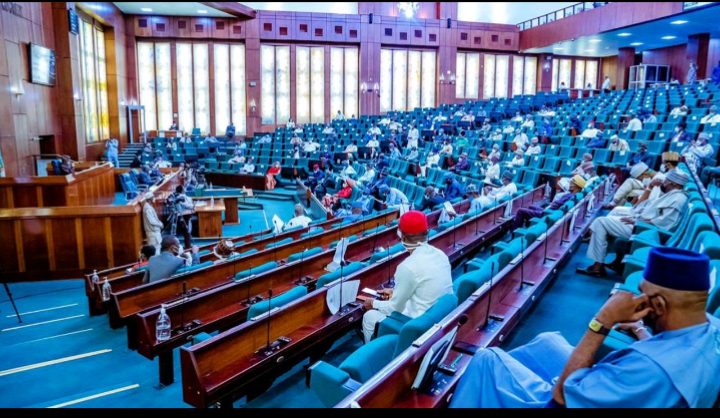

The House of Representatives has ordered the chief executives of major commercial banks to appear personally before an investigative committee following widespread complaints that banks are unlawfully deducting fees from customers’ accounts.
The decision came after numerous testimonies and petitions alleging that banks have been “perpetrating illegality by deducting inexplicable charges from civil servants, public servants and other customers’ bank accounts without remittances.” In many instances, customers claim to have been hit with multiple debits for SMS alerts, card maintenance, account upkeep, inter-bank transfers, stamp duties, and other opaque fees, some duplicated or applied without clear explanation or justification.
At Tuesday’s session in Abuja, the ad-hoc panel, chaired by Kelechi Nwogu, reiterated its demand that CEOs from banks such as GT Bank, Zenith Bank, Access Bank and others must attend in person. The panel rejected attempts to be represented by lower-ranking bank officials.
“You cannot appear here without an identity. We are not here on our own. We are here on the mandate of the people that elected us into parliament,” Nwogu said, stressing the seriousness of the investigation.
Banks involved have been given a strict four-day deadline to submit all documents related to fees and deductions before the next hearing. Failure to comply could result in sanctions.
Why This Matters and What’s at Stake
The push for transparency reflects growing concern that unexplained bank fees are disproportionately hurting everyday Nigerians, especially civil servants, low-income earners, students, small businesses, and other vulnerable groups.
If the investigation confirms widespread illicit deductions, it could erode public confidence in Nigeria’s banking system and discourage people from using formal banking services. Such a shift would undermine efforts by the Central Bank of Nigeria (CBN) to deepen financial inclusion and reduce the economy’s reliance on cash-based transactions, possibly complicating monetary oversight and fiscal planning.
The panel has also invited the Ministry of Finance, the Office of the Accountant-General of the Federation and the Economic and Financial Crimes Commission (EFCC) to join the probe, underscoring its seriousness and ambition to leave no stone unturned.
As Nigerians await the banks’ response, this unfolding investigation may mark a turning point in how banking fees are regulated and perceived, potentially reshaping public trust and the future of banking costs in Nigeria.