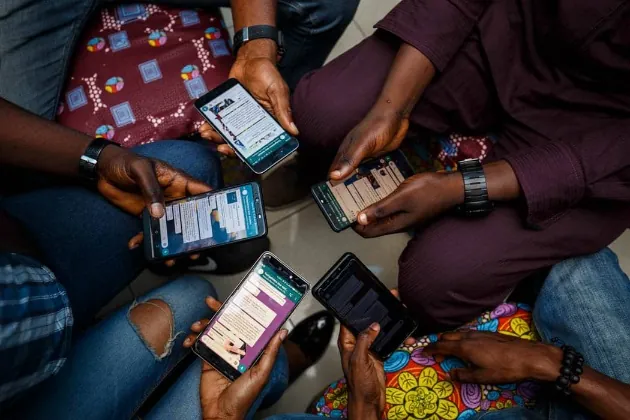

The recent enactment of a law in Australia mandating social media platforms to block users under 16 has ignited a complex debate among Nigerian policymakers, educators, and technology experts. While the Australian model presents a stringent approach to online child protection, analysis within Nigeria reveals a deeply divided perspective on the role of social media for youth, seen simultaneously as a critical tool for opportunity and a significant source of risk.
The Australian policy, which took effect yesterday, requires platforms like Instagram and TikTok to implement strict age verification. Its proponents argue it is necessary to shield minors from documented harms to mental health and development. However, its implementation has been marked by reports of widespread circumvention by teens using virtual private networks (VPNs) and other technical workarounds, highlighting the practical challenges of such blanket bans.
The Case for Caution: Nigerian Voices Highlighting Risk
In Nigeria, a chorus of prominent figures has raised alarms about the unregulated exposure of children to social media, with concerns often focusing on psychological well-being, safety, and cultural values.
The spiritual and educational sector provides some of the strongest warnings. Bishop David Oyedepo, Chancellor of Covenant University, has drawn a direct comparison between digital and substance abuse, stating, “The social media saga has eroded the substances of destinies as it has unconsciously robbed youths of their future and times… chatting all day with no time to think, plan, programme and engage productively.”
This concern over lost focus is coupled with fears over exposure to crime and vice. Aisha Rufai-Ibrahim, Nasarawa State Commissioner for Women Affairs and Social Development, notes the hidden nature of modern digital risks: “It exposes children to platforms where they can commit social vices and crimes without the knowledge of their parents… A child does not need to go outside the house in the era of social media before committing crime.”
Mental health professionals point to potentially dire consequences. Dr. Akanni Agboola, Provost of the Neuropsychiatric Hospital in Abeokuta, cautions that the internet is a poor substitute for professional help: “A lot of people resort to the internet whenever they are depressed, this is not the solution… what they get are the negative things that have led many to suicide.”
Further critiques address broader societal impacts. Garba Abari, Director-General of the National Orientation Agency (NOA), argues that “the contents of a lot of internet and social media sites did not reflect the traditional African values,” while Prof. Charles Ayo, Vice-Chancellor of Trinity University, lists social isolation, lower self-esteem, and anxiety as key disadvantages.
These accumulating concerns lead some cybersecurity experts to advocate for access restrictions. Olawale Odeneye, Convener of the Child Online Safety Nigeria Initiative, explicitly supports an age limit: “Truth of the matter is that I don’t subscribe to teenagers being on any social media platform until they are 16… they can safely navigate themselves around at that age.”
The Counter-Narrative: Social Media as Portal to Opportunity
Conversely, a robust body of opinion within Nigeria’s educational and youth communities frames social media as an indispensable platform for learning, economic opportunity, and personal agency.
Educational institutions acknowledge its positive utility. Kings Care Universal School, in an official release, noted, “Not everything about social media is negative. In fact, platforms like YouTube, LinkedIn, and even TikTok can serve as learning hubs. Some students use them to gain career exposure, watch math tutorials, or build skills.”
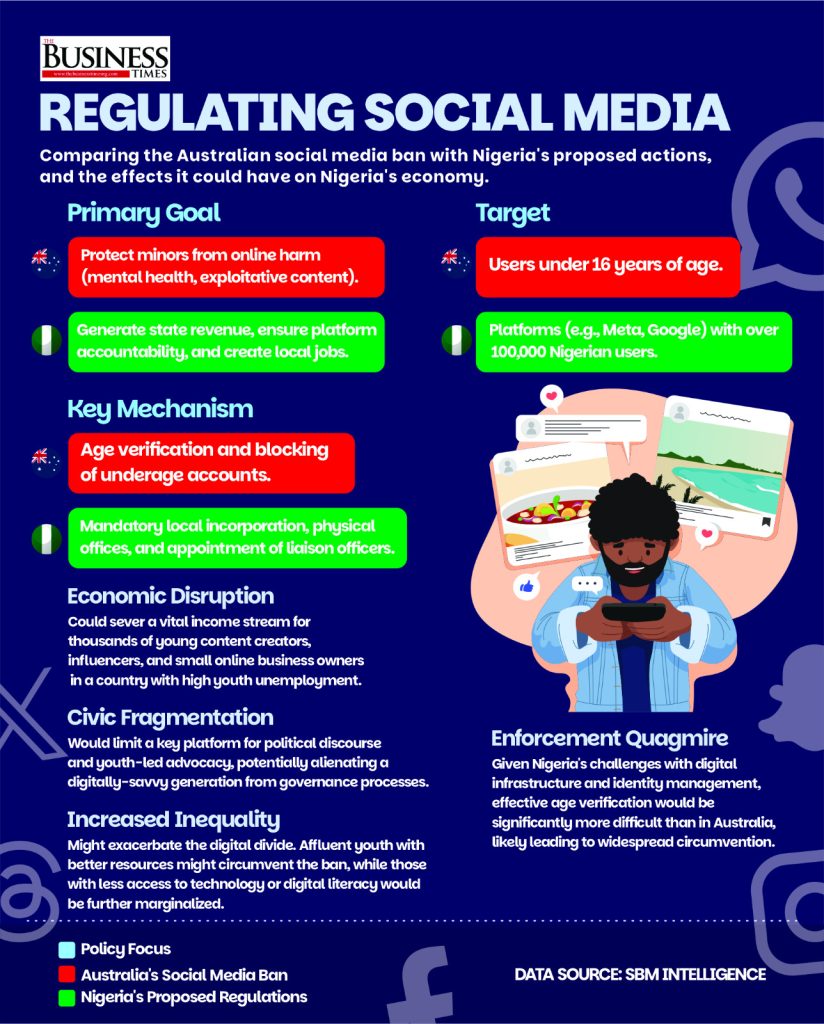
For many young Nigerians, these platforms are more than entertainment; they are vital for entrepreneurship and skills acquisition in an economy with high youth unemployment. Social media serves as a low-barrier entry point for starting businesses, marketing talent, and accessing global knowledge.
Perhaps the most powerful argument for the medium is its role as a megaphone for the marginalized. Chiamaka, a youth contributor, highlighted this liberating aspect: “Sincerely speaking, the joyful part is how it has gotten solutions for those who are enclosed in problems and are too scared and shy to speak out… Thanks to social media, many are able to speak out on their problems and seek for possible solutions.” This digital anonymity can provide a critical safe space for those seeking help or advocating for change where traditional structures may have failed them.
Policy Crossroads: Nigeria’s Distinct Context Challenges Simple Solutions
Analysts observing the debate suggest that Nigeria’s unique socioeconomic landscape makes the direct application of an Australian-style ban particularly problematic. Enforcement of reliable age verification would be a significant challenge given infrastructure gaps, and such a ban could inadvertently widen the digital divide, limiting opportunities for poorer youths while wealthier ones bypass restrictions.
Existing Nigerian regulatory efforts have taken a different tack, focusing more on platform accountability than user age. A proposed amendment to the Nigerian Data Protection Act, for instance, seeks to mandate that major tech companies establish local offices for tax purposes and legal accountability, a approach primarily concerned with economic oversight rather than child protection.
Observers suggest a potential middle path that bypasses the need for a blanket ban, focusing instead on a comprehensive strategy of education and regulation. This approach prioritizes mandated investment in digital literacy through nationwide programs designed to foster critical thinking, online safety, and responsible digital citizenship.
To further support families, the strategy advocates for the development of enhanced parental control tools that are user-friendly and “opt-in” by default—a measure akin to those proposed in draft guidelines by the Nigerian Communications Commission. Finally, this balanced framework calls for targeted platform regulation; rather than fully blocking access, this would involve legislating for stricter age-appropriate content moderation and holding algorithms accountable for amplifying harmful material to minors.
The Australian experiment provides a clear, if contentious, model for one end of the regulatory spectrum. In Nigeria, however, the discourse is characterized by a fundamental tension between protecting young citizens from documented harms and preserving their access to a platform of economic, educational, and social empowerment.
The expert voices from within the country present irreconcilable truths: social media can corrode mental health and focus just as powerfully as it can foster skills and provide a voice. The policy path forward remains unclear, with options ranging from strict legislation to enhanced education and oversight. The ultimate decision will require a careful calibration of risks, rights, and realities specific to Nigeria’s dynamic and youthful population. The outcome of this debate will significantly shape the digital landscape for Africa’s largest generation of young people.