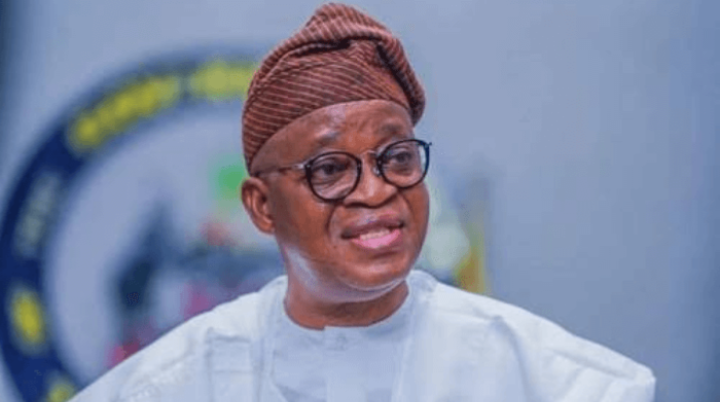

In a clear signal to the world, Nigeria has re-established itself as a major player in global shipping governance: at a London appreciation luncheon held on December 1, 2025, Adegboyega Oyetola, the Minister of Marine and Blue Economy, formally welcomed delegates of the International Maritime Organization (IMO), thanking them for supporting Nigeria’s successful election into Category C of the IMO Council.
“Nigeria’s re-entry into the IMO Council signals renewed international trust in the country’s leadership contributions within the global maritime landscape,” Oyetola told diplomats and international partners, framing the win not as prestige, but a renewed responsibility to shape maritime policy, environmental protection and sustainable shipping practices.
The event underscored ongoing reform under President Bola Ahmed Tinubu’s administration, highlighting efforts to modernise port infrastructure, improve seafarer training, upgrade hydrographic capacity, and shift Nigeria’s coastal economy towards greener, safer, and more efficient maritime operations.
The narrative offered by Oyetola and his team emphasises Nigeria’s readiness to contribute meaningfully to global maritime security, environmental stewardship, and governance, embracing the IMO’s values of transparency, multilateral cooperation and equitable development.
In economic terms: positioning Nigeria as a key voice in global maritime governance could catalyse long-overdue growth, the maritime and blue economy sector is estimated by experts like Olisa Agbakoba (SAN) to have the potential to generate up to N70 trillion annually for Nigeria’s GDP if properly reformed and regulated.
Nigeria’s enhanced maritime stature isn’t just symbolic; it could unlock vast economic dividend. With reforms, port upgrades and security gains, the maritime sector might contribute up to N70 trillion annually to GDP, offering a critical path toward diversification beyond oil and helping stabilise public finances in a time of fiscal stress.