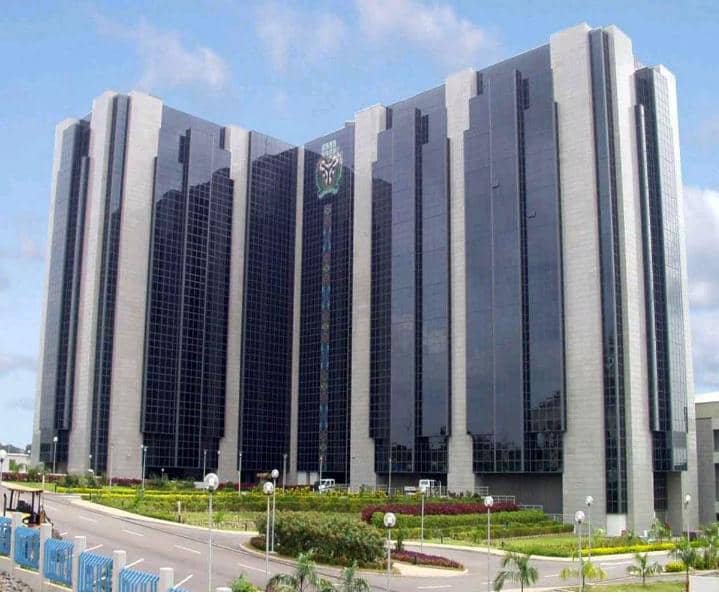

The Central Bank of Nigeria (CBN) has carried out more than ₦5 trillion in debt repayments, even as commercial banks are sharply reducing their deposit placements. This development signals a growing strain in the banking system’s liquidity dynamics.
In recent reports, the apex bank settled huge obligations, paying off maturing government securities and other liabilities, while the banking sector simultaneously pulled back from placing as much money with the CBN. The drop in deposit placements suggests that banks may be managing risk more cautiously or repositioning their funds elsewhere.
This comes amid broader macro-financial shifts. System liquidity has surged to record highs, driven largely by excess cash parked at the CBN’s Standing Deposit Facility (SDF). For example, in a single week, banks increased their SDF deposits from ₦2.28 trillion to ₦2.62 trillion.
Banks appear more willing to lock up surplus cash with the central bank, rather than lend it out or deploy it in riskier parts of the market, even though they are getting paid a rate of MPR minus 100 basis points for doing so. This strategy reflects a risk-averse stance: rather than extending credit into uncertain economic conditions, they prefer the safety of remunerated, almost risk-free placements.
At the same time, borrowing through the CBN’s Standing Lending Facility (SLF) has dropped significantly. This could indicate that banks are less desperate for liquidity or that they view the costs of SLF borrowing as too high relative to parking excess funds at the SDF.
Analysts warn that while surplus liquidity is positive on the surface, the fact that so much money remains parked at the CBN, rather than flowing into productive lending, could undermine economic growth. With banks preferring safe returns, credit to businesses may suffer, slowing investment and expansion.
Liquidity management remains a tricky balancing act for the CBN. On one hand, the bank must absorb excess cash to control inflation and stabilize the naira. On the other hand, it must avoid sterilizing too much money, which could choke off lending to the real economy.
Moreover, the debt repayments, though large, carry an economic cost. The funds used to settle maturing obligations could otherwise have been deployed elsewhere, potentially supporting government spending or growth-enhancing investments.
This massive debt repayment by the CBN reflects rising fiscal pressures, as government obligations crowd out public investment. Meanwhile, banks’ pullback from deposit placements hints at weak lending appetite, raising concerns that abundant liquidity may not translate into real-sector credit growth, risking a slowdown in economic momentum.