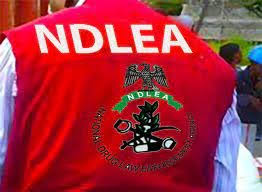

Nigeria’s fight against international drug trafficking has seen a major new victory, with the National Drug Law Enforcement Agency (NDLEA) intercepting a 20-kilogram consignment of cocaine at the Apapa seaport in Lagos. The illicit drug, discovered on the Brazil-bound vessel, MV Nord Bosporus, has led to the detention of the ship’s Master and nineteen other Filipino crew members.
The NDLEA’s operations officers boarded the vessel, which had arrived from the port of Santos in Brazil, on Sunday, 16th November 2025, leading to the discovery of the narcotic. Following the seizure, the ship’s Master, Captain Quino Eugene Corpus, and his entire Filipino crew were immediately taken into custody for questioning.
To ensure a comprehensive investigation, the NDLEA swiftly moved to secure a legal order for the continued detention of both the vessel and the suspects. On Thursday, 20th November 2025, Justice Musa Kakaki of the Federal High Court, Lagos, granted an initial fourteen-day detention order in suit number FHC/L/MISC/1306/25.
Investigators noted that the MV Nord Bosporus was making its first-ever call to a Nigerian or African port, having previously been used primarily for transporting coal between Colombia and Brazil. The ship’s captain, Corpus, had also only served on the vessel for a period of three months before the arrest.
Reacting to the seizure, the Chairman and Chief Executive of the NDLEA, Brig. Gen. Mohamed Buba Marwa (rtd), reaffirmed the agency’s uncompromising stand against drug syndicates. He issued a powerful warning to Nigerian citizens who might be tempted to assist foreign drug rings.
“You are not just committing a crime; you are betraying your nation’s future,” General Marwa declared. “The consequences of aiding and abetting drug trafficking will be severe and unrelenting. We are committed to using the full force of the law to dismantle your structures, seize your illicit assets, and secure your long-term incarceration.” His strong words highlight the increased pressure on Nigerian ports, which are increasingly being exploited as a transit corridor by international criminal networks moving cocaine from Latin America to markets in Europe.
This successful interception holds significant economic implications for Nigeria. The Apapa port is the country’s busiest maritime gateway, vital for legitimate import and export trade. Repeated large-scale seizures of cocaine, like this one and the previous conviction of Thai sailors, suggest that international cartels view Nigeria as a key transit hub.
Security experts and port authorities note that drug trafficking directly undermines the integrity of the nation’s supply chain. When ports are flagged internationally as high-risk for illicit goods, it can lead to higher insurance premiums for legitimate cargo, increased security scrutiny, and slower processing times for honest businesses. These delays and increased costs act as an unofficial tax on legal trade, hindering the government’s efforts to improve the ease of doing business and boost non-oil sector exports. The NDLEA’s vigilance is therefore not just about crime fighting; it is a critical component of maritime security essential for protecting the national economy.
The latest arrest comes barely six months after a Federal High Court in Lagos handed down a landmark conviction in a similar case. In May 2025, Justice Daniel Osiagor convicted ten Thai sailors and their vessel, the MV Chayanee Naree, for smuggling 32.9 kilograms of cocaine into Nigeria, also through the Apapa seaport.
That case, which had been under prosecution by the NDLEA for over three years, concluded with the sailors entering a plea bargain. The court imposed heavy financial penalties, demonstrating Nigeria’s tough stance on maritime drug crime. Specifically, the vessel was hit with a substantial US$4 million fine, while the crew members, including the captains, were ordered to pay individual fines ranging from US$30,000 to US$50,000, alongside a fine of N100,000 each.
The repeated successful interdictions and stern legal outcomes are intended to send a clear message to transnational organised crime: Nigeria’s maritime borders are being monitored with increasing sophistication, and the country is determined to use the full weight of its legal system, including asset forfeiture powers under the NDLEA Act, to deter those who seek to exploit its ports for the destructive drug trade.