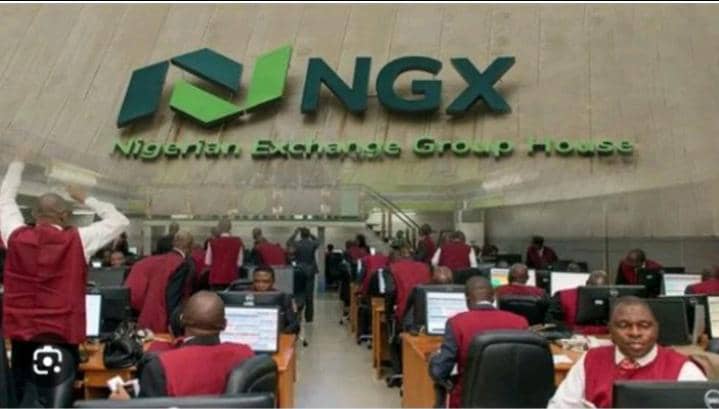

The Nigerian Exchange (NGX) is reeling as bearish trading resumes, inflicting a staggering N1.17 trillion loss on investors. This renewed downturn has rattled market confidence and raised alarm bells over the broader economic outlook.
Following a recent rally, market sentiment plunged sharply as investors rushed to exit their positions. The sharp sell-off wiped out significant market value, driven by declines in major blue-chip companies. As the All-Share Index dropped, the cascade of sell orders deepened the losses, signaling that optimism has given way to caution.
Analysts point to a confluence of factors fueling the malaise. Global economic anxieties, including fears of rising interest rates and geopolitical instability, are weighing heavily on investor psychology. Domestically, concerns about capital gains tax and uncertainties in fiscal policy are further complicating the picture.
A key worry is that foreign portfolio investors who play a large role in NGX liquidity may be pulling back. This exodus could signify higher risk perception among global investors toward Nigeria, especially given shifting macroeconomic dynamics.
Still, some see a silver lining. With prices tumbling, certain stocks may now be more attractively valued, potentially opening entry points for long-term investors. But for many, the immediate damage is hard to ignore.
The broader implications for Nigeria’s economy are significant. A sustained slump on the stock market could dampen future investment inflows, undermine businesses’ ability to raise capital, and ultimately slow economic growth. In a country grappling with inflationary pressures and currency volatility, capital market instability adds another layer of risk.
“Investors lose N1.17tn as bearish trading resumes on NGX” marks one of the deeper jolts to Nigeria’s exchange in recent months. For many Nigerians with exposure to equities, this is a sharp reminder that markets can swing violently and not always in the direction of gain.
The N1.17 trillion market drop not only erodes investor wealth but could trigger capital flight, undermining Nigeria’s ability to attract foreign investment. Reduced liquidity may hamper firms’ capacity to raise funds, stalling corporate expansion and potentially slowing broader economic recovery.