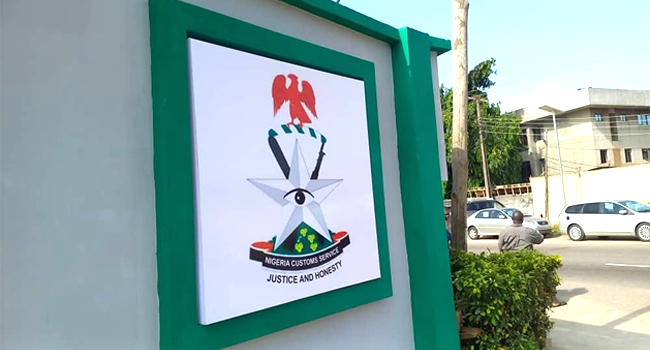

The Nigeria Customs Service (NCS) is set to host a pivotal trade summit next week, gathering officials and private sector leaders from across the continent to address the structural impediments hindering the African Continental Free Trade Agreement (AfCFTA). The initiative, endorsed by President Bola Tinubu, comes as Nigeria faces persistent challenges in leveraging the massive 1.4 billion-person continental market.
Comptroller-General of Customs, Bashir Adeniyi, announced the summit, acknowledging the “frustrations” and continued retention of Non-Tariff Barriers (NTBs) that suppress intra-African commerce. While overall intra-African trade has improved, data suggests that the majority of trade still happens outside the continent. For Nigeria specifically, official trade with Africa actually dropped from nearly 14% of its total global trade in 2019 to roughly 7.5% in 2021, despite ratifying the pact.
The summit is designed to take a “deep dive” into these operational issues, convening over 22 Director Generals of Customs Services alongside critical economic operators—including manufacturers, logistics providers, and airline operators—from West, East, Central, and North Africa.
Nigeria’s struggle to fully capitalize on AfCFTA is rooted in weak logistics and regulatory fragmentation. Experts note that poor infrastructure, inadequate road networks, and lengthy, inconsistent customs procedures add 30–40 percent to the cost of goods traded across the region. These high costs, combined with difficulties accessing foreign exchange for critical inputs, have made Nigerian exports less competitive within the African bloc.
By bringing together policy makers and the trading community, the NCS aims to harmonize regulations and streamline border processes, turning the AfCFTA’s promise of economic diversification and value chain integration into reality. The Customs CG emphasized that it is the economic operators, not governments, who will ultimately trade, making their direct input crucial for successful implementation.