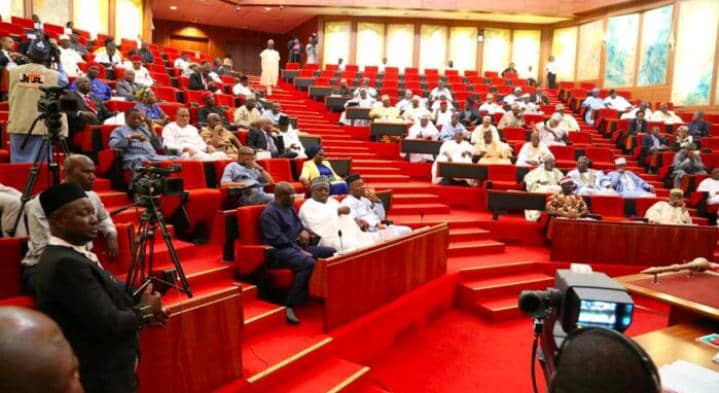

The Senate has moved the bill to a second reading, aiming to reduce Nigeria’s heavy reliance on borrowing to fund annual budgets. The proposed legislation, known as the “Bill for an Act to establish the Chartered Institute of Revenue and Fiscal Management of Nigeria (CIRFMAN)” would create a dedicated professional body to improve the country’s revenue collection, fiscal discipline and public financial management.
During the lead debate, Senator Adamu Aliero emphasised that Nigeria’s longstanding fiscal challenges stem from persistent shortfalls in revenue, leakages in public funds and inadequate capacity in revenue forecasting and governance. After its second reading, Deputy Senate President Jibrin Barau referred the bill to the Committees on Finance, Establishment and Public Service, with a four-week timeframe to report back.
If passed, the institute would serve as the professional body responsible for advancing revenue administration, strengthening fiscal governance and enhancing transparency and accountability. It is expected to build investor confidence and support efficient management of public finances. The bill marks a major step toward tackling Nigeria’s chronic reliance on debt to finance budgetary gaps and the weak revenue mobilisation framework that has driven this dependence.
By placing the emphasis on improving tax collection, fiscal planning and institutional capacity, instead of just borrowing more, the legislation signals a shift in strategy: from funding deficits largely through debt, to enhancing the domestic revenue base and reducing the structural need for borrowing. The next few weeks will determine how the committees refine the bill and set its implementation timeline.
Nigeria’s public debt rose to ₦152.4 trillion by June 2025, underlining the urgency of revenue reforms. With debt servicing consuming a growing share of government receipts, the proposed institute hopes to boost non-oil income and shrink the borrowing gap, freeing fiscal space for development rather than debt repayment.