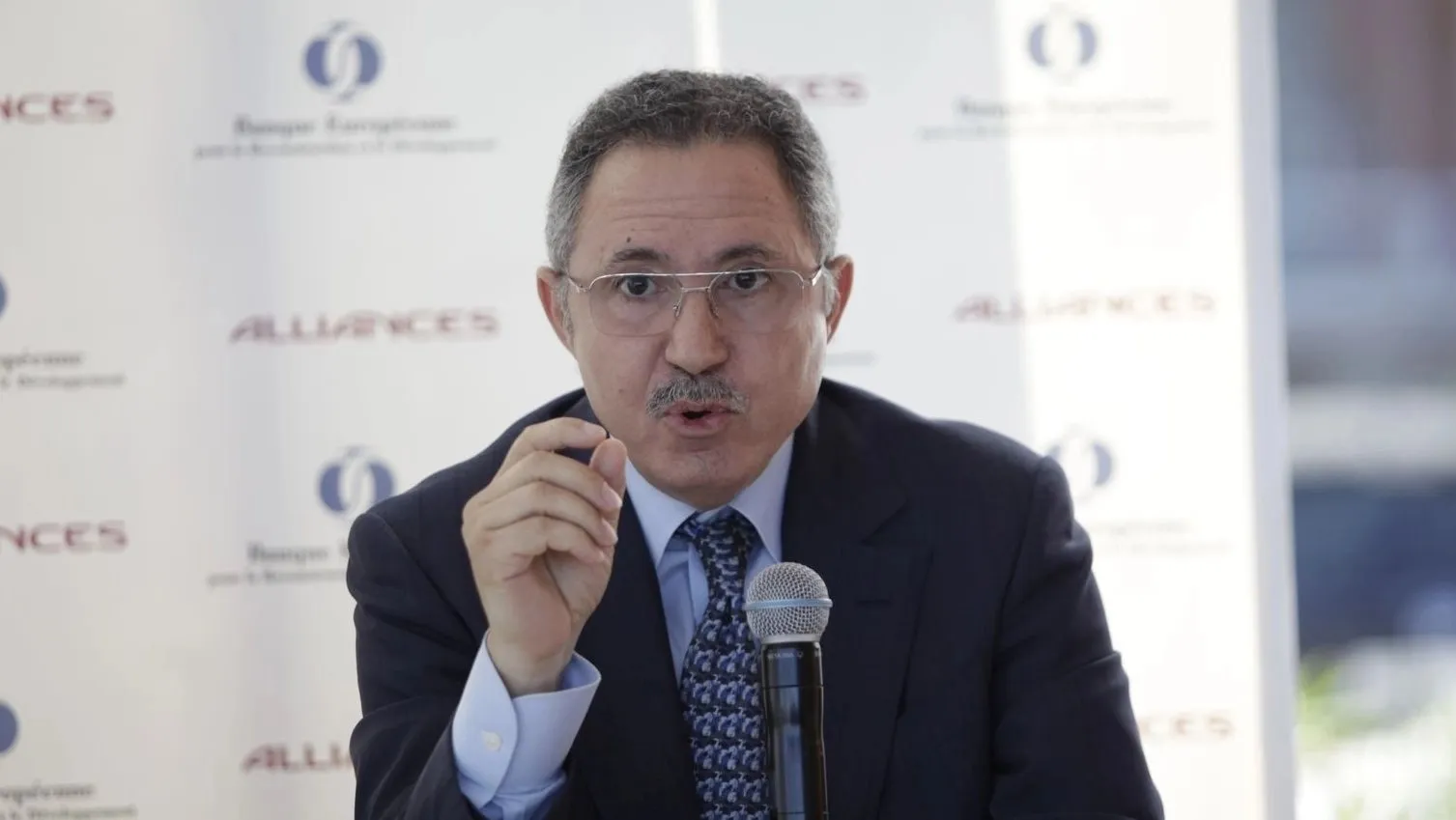

Moroccan property magnate Alami Lazraq is doubling down on the country’s burgeoning tourism industry with a $320 million partnership with Turkey’s Rixos Hotels, aimed at creating a new wave of luxury resorts across Morocco.
The agreement, signed last week in Casablanca by Lazraq, head of Alliances Group, and Rixos founder Fettah Tamince, will see the development of three major resorts: Rixos Marrakech, Alliée Marrakech, and Rixos Lixus Larache. The projects will add over 950 rooms and 100 villas to Morocco’s hospitality sector and introduce the country’s first luxury all-inclusive model, a format long popular in the Mediterranean but new to North Africa.
Construction is expected to generate around 2,500 direct jobs and 3,000 indirect positions, a boost for local communities. Feasibility studies for further Rixos-branded resorts in other regions are already underway, suggesting a broader expansion plan beyond Marrakech and Morocco’s northern coast.
A Strategic Move for Morocco’s Tourism Market
Lazraq, whose group has shaped Morocco’s skyline with mixed-use and hospitality developments, said the partnership represents a return to large-scale investment in tourism. He described the project as an “innovative hospitality concept” combining luxury service with immersive guest experiences.
The deal comes as Morocco continues to solidify its reputation as one of Africa’s most resilient tourism markets. The country welcomed 17.5 million visitors in 2024, surpassing Egypt and edging closer to its 2030 target of 26 million arrivals. Tourism has become a cornerstone of the government’s post-pandemic growth plan, particularly in preparation for the 2030 FIFA World Cup, which Morocco will co-host with Spain and Portugal.
For Rixos’ Tamince, Morocco’s natural appeal makes it a prime destination for high-end hospitality. “Its geography, history and people make it one of the world’s great destinations,” he said at the signing ceremony.
Economists say the deal could have a tangible effect on the average Moroccan household. By attracting wealthier tourists and boosting luxury travel, local businesses—from artisans to restaurateurs—could see increased revenue. Rising hotel capacity and high-end offerings may also elevate the country’s service standards, creating further employment opportunities and injecting more spending power into the domestic economy.
If the resorts launch as planned, Lazraq’s venture could place Morocco firmly on the map of all-inclusive luxury tourism, a market segment now valued in the billions globally. It also demonstrates how private investment and international brands are joining forces to upgrade Morocco’s tourism sector from mass-market travel to premium leisure experiences.